Leave a Message

Thank you for your message. We will be in touch with you shortly.

Palm Beach Oceanfront Condo vs Estate Living

Is Palm Beach calling your name, but you are torn between a full-service oceanfront condo and a private estate on the sand? You are not alone. Both options deliver sun, sea, and prestige, but they live very differently day to day. In this guide, you will see how costs, privacy, amenities, staffing, security, and risk compare so you can choose the best fit for your lifestyle and time in residence. Let’s dive in.

Palm Beach market at a glance

Palm Beach island’s condo and single-family markets operate on very different price scales. In Q1 2025, the median sale price on the island was about $1.5 million for condos and about $13.95 million for single-family homes. These figures underline a wide gap between high-end condos and estate properties. You can review the full market detail in the latest Douglas Elliman report for Palm Beach.

At the very top of the market, trophy condos and estates often trade in the multiple tens of millions. For many seasonal buyers who want a smaller footprint and turnkey ease, high-service condos offer more accessible entry points than oceanfront estates.

What ownership really costs

Costs vary with building services, lot size, elevation, insurance history, and your staffing plan. Use the sections below to build a realistic budget before you write an offer.

Property taxes: quick estimator

The Town of Palm Beach’s example total millage is about 15.0126 mills. A rough estimate is taxable value divided by 1,000, then multiplied by 15.0126. For non-homesteaded second homes, budget for the full ad valorem bill on the taxable value. You can confirm the methodology in the Town’s Popular Annual Financial Report.

Sample estimates for sizing only:

  • Condo at $1.5 million taxable value: about $22,500 per year.
  • Estate at $14 million taxable value: about $210,200 per year.

Your actual bill depends on assessed value and any exemptions. Always verify with your closing team.

Condo dues: what they cover

High-service oceanfront and waterfront towers typically include concierge and valet staffing, on-site engineering, lobby and pool attendants, master building insurance for the structure, security systems, common-area utilities, elevator maintenance, and reserves in their monthly dues. In top-tier buildings with large residences, monthly dues often land in the mid four figures to five figures. For context on full-service amenities, review an example building profile like The Bristol’s amenities and services.

What to request during diligence:

  • Current association budget and most recent reserve study.
  • Minutes of recent meetings and any special assessment history.
  • Insurance summary with master policy limits and deductibles.
  • House rules, parking details, and rental restrictions.

Estate staffing and upkeep

A private estate gives you full control and space, but you are also the facilities director. Plan for some combination of a house or estate manager, housekeepers, a grounds crew, and contractors for pool and systems.

Illustrative ranges for planning:

  • Small estate with limited staff and contracted pool service: tens of thousands per year.
  • Full estate with a manager, multiple full-time staff, and contractors for pool, landscape, and security: mid-to-high five figures up to low six figures per year, plus benefits and employer taxes.

Insurance: flood, wind, and homeowners

Flood insurance pricing changed under FEMA’s Risk Rating 2.0. Premiums now reflect property-specific factors like elevation, distance to water, and replacement cost rather than only flood zone. Some parcels saw increases while others decreased. Learn the framework in the Congressional Research Service summary of Risk Rating 2.0.

Practical guidance:

  • Get parcel-specific quotes early from both NFIP and private carriers.
  • Oceanfront properties in wave-impact VE areas can see premiums in the thousands to tens of thousands per year, while other parcels may be far lower. For a plain-language refresher on flood zones in Florida, see this coastal flood zone explainer, and for how Risk Rating 2.0 can affect premiums, see this consumer overview of flood pricing changes.
  • Wind and homeowners coverage on the coast has been volatile. Work with a Florida coastal insurance specialist for current availability and pricing.

Capital projects and reserves

  • Condos: Major projects like roofs, elevators, and structural work are handled at the association level and funded by reserves or special assessments. Higher dues may reflect robust services and solid reserve planning. Ask for the reserve study and recent meeting minutes to spot upcoming projects. An amenity-rich tower like The Bristol illustrates how buildings plan for services and shared systems.
  • Estates: As the owner, you fund and schedule replacements directly, from roofs and seawalls to pool equipment and HVAC. Coastal elements like seawalls and dune stabilization can be significant line items. Budget a capital reserve and order inspections targeting coastal conditions.

Privacy, security, and daily life

Privacy and control

If exclusivity and customization are top priorities, an oceanfront estate offers maximum control. Many island properties include guest houses and separate staff quarters, which support multi-generational visits and longer stays. Condos, by contrast, have shared amenities and circulation, though some buildings provide private elevator access and limited units per floor for added privacy.

Security differences

Full-service towers commonly offer 24-hour staffed entry, surveillance, and controlled access. That reduces your need to hire private guards for a second home. Private estates typically rely on dedicated security staff or monitored systems. While that adds cost, it delivers tailored coverage and complete perimeter control for higher-profile owners.

Amenities and how you use them

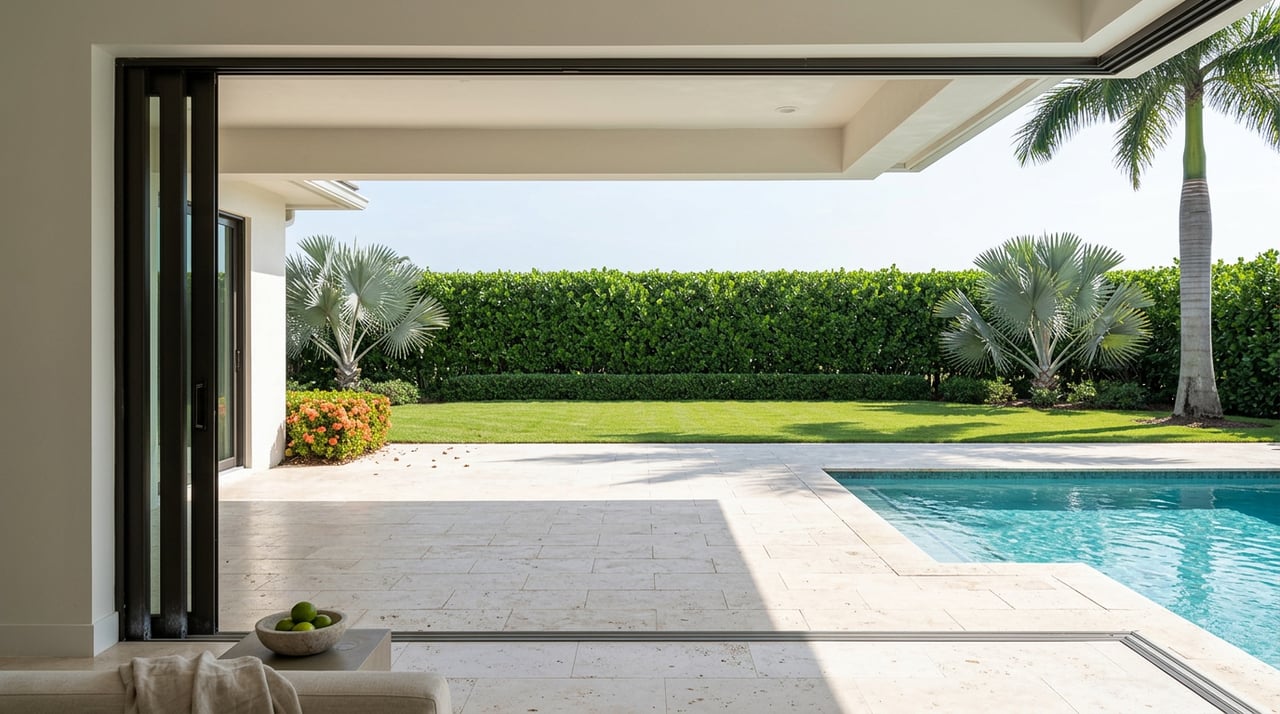
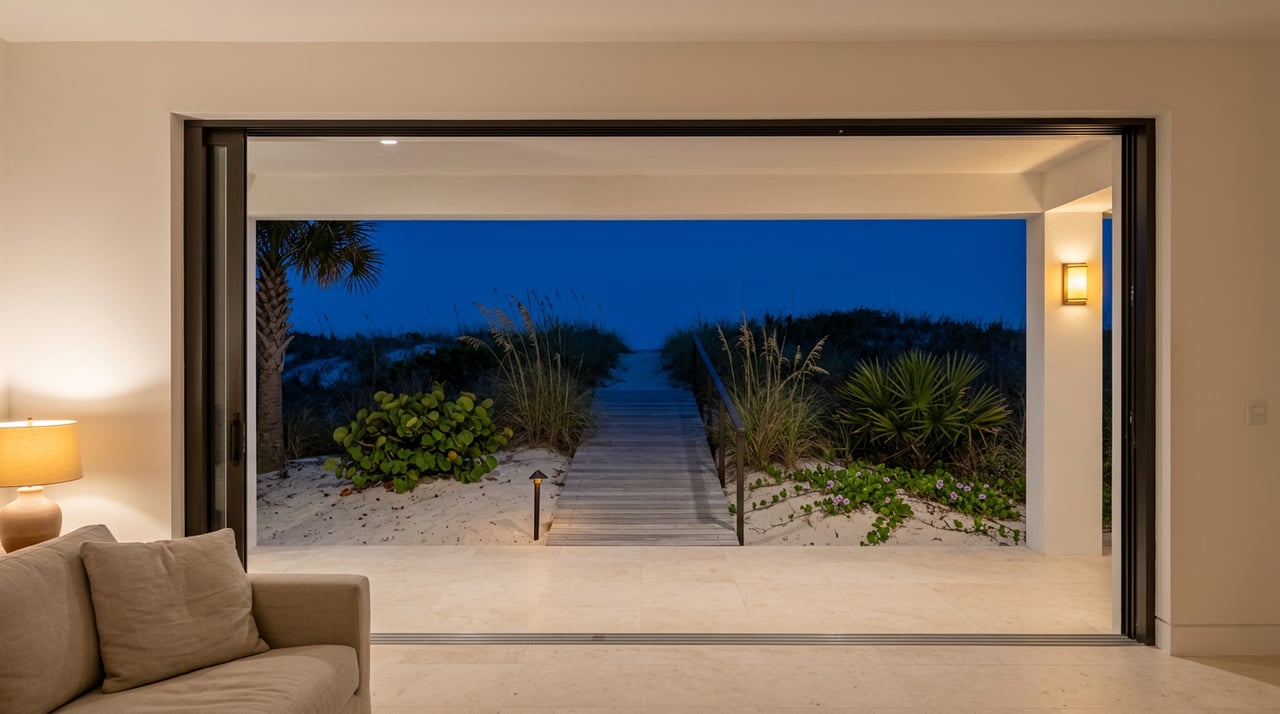
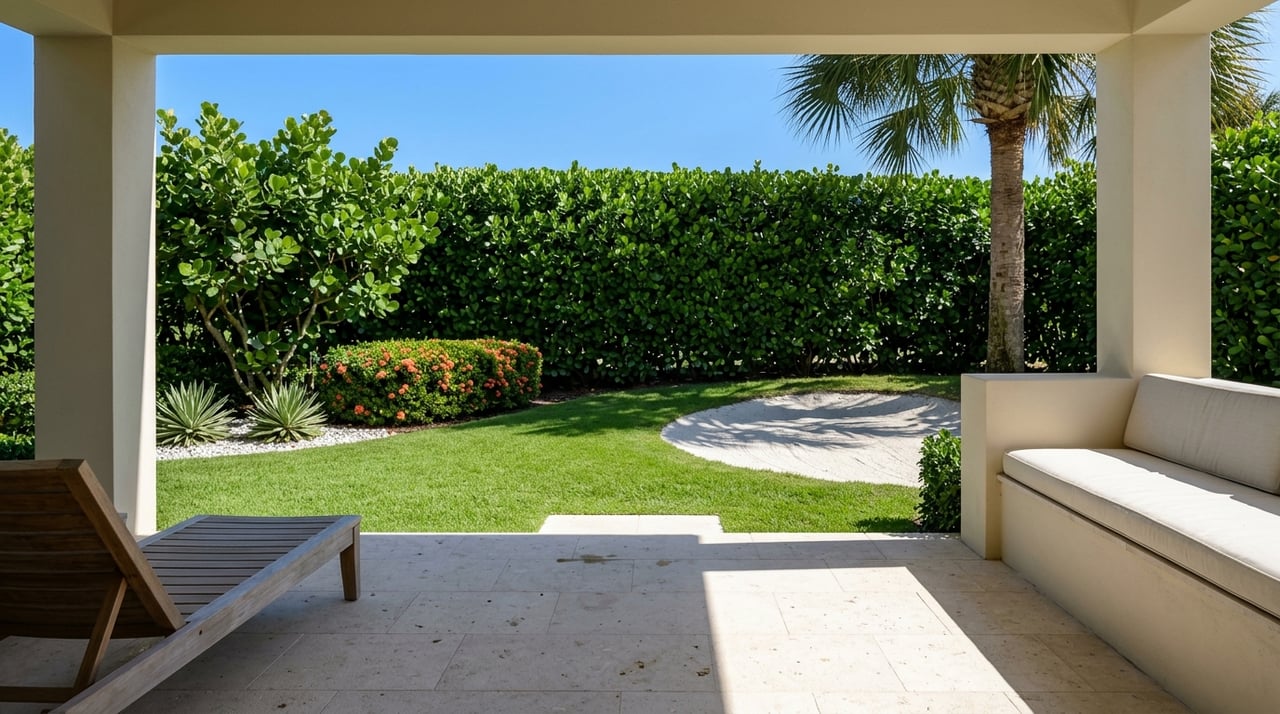
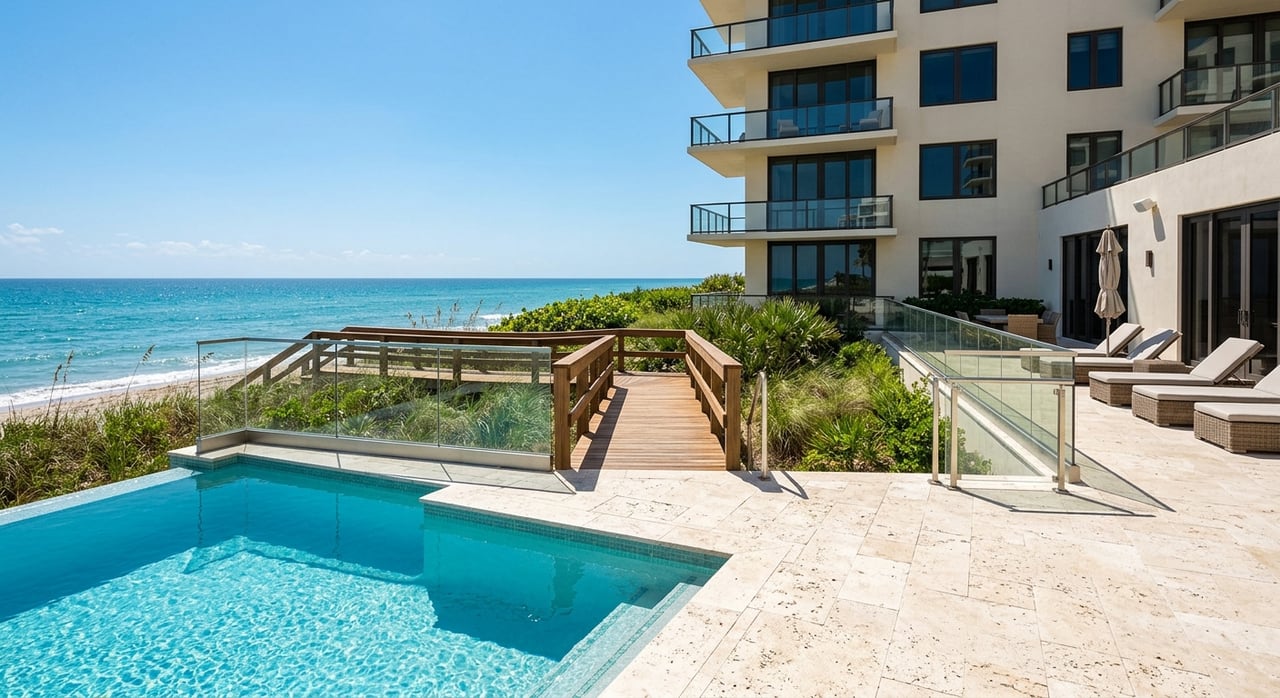
Condos shine as turnkey, lock-and-leave residences. Common offerings include resort-style pools, spa and fitness centers, valet, concierge, and sometimes food service. These on-demand services are a key reason seasonal owners prefer buildings. Estates trade shared resort features for your own pool, gardens, and, in some cases, private beach access and multiple guest suites. If you plan frequent entertaining or extended family visits, the estate layout may serve you better.

Staffing and operations

South Florida has an experienced household labor pool for housekeeping, gardening, pool service, and estate management. That said, recruiting, training, scheduling, payroll, and compliance become part of your operating plan for an estate. Condo ownership reduces that workload to paying dues and coordinating interior repairs and deliveries.

Which option fits your plans?

Choose an oceanfront condo if you

  • Want a lock-and-leave second home with concierge-level services.
  • Prefer predictable monthly costs over hiring and managing staff.
  • Value an address with built-in amenities and proximity to town.
  • Expect to visit for shorter, more frequent stays.

Choose an oceanfront estate if you

  • Want land, guest accommodations, and complete design control.
  • Plan multi-family stays or frequent entertaining.
  • Are comfortable managing staff, contractors, and variable maintenance.
  • Prefer maximum privacy and tailored security.

Smart due diligence checklist

For condos

  • Association budget, latest reserve study, and recent meeting minutes.
  • Master insurance summary with limits and deductibles.
  • Special assessment history and upcoming projects.
  • House rules and any rental, parking, or pet restrictions.
  • Amenity staffing and service hours. Review building materials like this amenities overview to understand typical offerings.

For estates

  • Seawall and dune condition reports and a recent elevation certificate if available.
  • Flood zone history, plus drainage and any prior flood claims.
  • Age and condition of roof, HVAC, windows and doors, and pool equipment.
  • Details and condition of any guest or staff quarters.

For both

  • Obtain wind, homeowners, and flood quotes early under Risk Rating 2.0. Start with the CRS summary of Risk Rating 2.0 so you know what carriers will evaluate.
  • Get at least one local estimate for recurring services like pool, landscape, and security.
  • Build a conservative capital reserve plan for big-ticket items.

Budget snapshots to frame the decision

These nonbinding ranges help you frame expectations. Always replace them with real quotes and documents during your inspection period.

  • High-service oceanfront condo

    • Association dues: mid four figures to five figures per month in amenity-rich towers, depending on residence size and services.
    • Property taxes: apply the Town’s millage example of about 15.0126 mills to the taxable value to estimate the annual bill. See the Town PAFR for the method.
    • Insurance and utilities: you still carry interior homeowners coverage, contents, and some utilities not covered by the association.
    • Capital exposure: limited to interior components. Building systems are handled by the association, funded by reserves or special assessments.
  • Oceanfront estate

    • Staffing payroll: from tens of thousands for minimal staff to mid-to-high five figures or low six figures annually for a fully staffed property. Use Indeed’s house manager compensation data plus local quotes for accuracy.
    • Grounds and pool: reference BLS groundskeeping wages for payroll if hiring directly, and plan for a pool service that often runs in the low-to-mid hundreds per month for standard pools, with larger designs costing more. A local provider like Palm Beach Pool & Spa Service shows typical service scopes.
    • Property taxes: estimate with the same millage approach as condos, scaled to your taxable value.
    • Insurance: wind and homeowners plus flood. Under Risk Rating 2.0, premiums vary widely by parcel. The CRS summary and this consumer explainer on pricing changes are useful starting points.
    • Capital exposure: you carry full responsibility for roofs, seawalls, windows and doors, mechanical systems, and any dune or shoreline work.

A local, construction-smart advantage

Your decision comes down to how you want to live, how often you will be here, and how much operational responsibility you want. A condo concentrates services and simplifies ownership. An estate amplifies privacy, space, and control. If you value a clear-eyed, construction-informed view of each option’s true cost and condition, our team brings local legacy and contractor-level insight to your search and inspections. When you are ready to compare specific buildings or estates side by side, reach out to Reback Realty for discreet, high-touch representation.

FAQs

How do condo vs estate annual costs compare in Palm Beach?

  • Condos centralize many costs into dues that can run from the mid four figures to five figures per month in top-tier towers, plus interior insurance and taxes. Estates add payroll, grounds, pool, full insurance, and capital reserves that can total from tens of thousands to low six figures per year depending on staffing and property size.

Will flood insurance make Palm Beach ownership unaffordable?

  • Not necessarily. Under FEMA’s Risk Rating 2.0, pricing is parcel-specific. Oceanfront VE parcels can be higher, while other parcels may be moderate. Get NFIP and private quotes during diligence and use elevation data to refine pricing.

What do full-service condo dues usually include?

  • Dues often cover concierge and valet staffing, building insurance for the structure, security, common-area utilities, elevator maintenance, reserves, and upkeep of amenities like pool, spa, and fitness. You still insure and maintain your interior.

Which is easier to maintain and resell for a seasonal owner?

  • Condos are typically easier to lock and leave and appeal to a broad buyer pool seeking services. Estates offer a narrower, high-net-worth pool but deliver privacy, space, and control that many buyers specifically seek.

What should I review before making an offer on either option?

  • For condos, request budgets, reserve studies, minutes, insurance summaries, and rules. For estates, inspect seawalls, dunes, elevation, flood history, roofs, windows and doors, and mechanicals. For both, secure wind, homeowners, and flood quotes early and collect local vendor estimates for recurring services.

Work With Us

We pride ourselves on informing and educating our clients in order to make better real estate decisions. Contact us today to find out how we can be of assistance to you!