
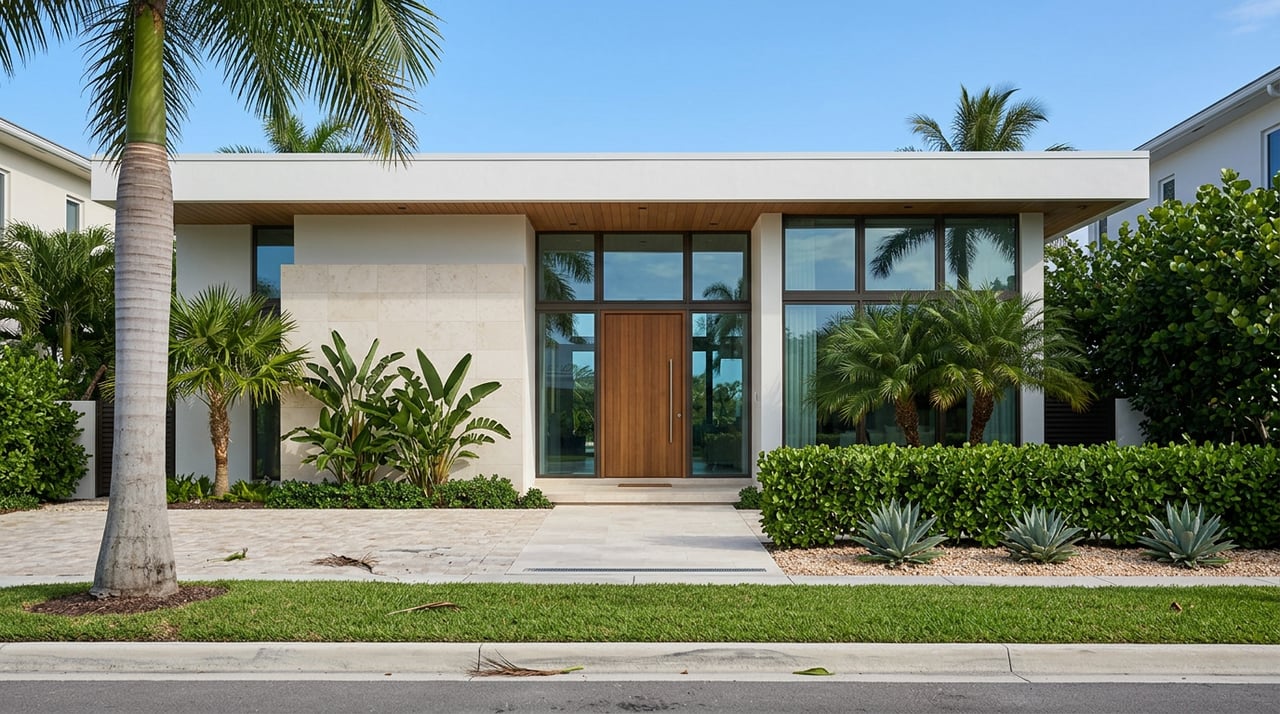
Building Custom In Harbor Place: A Buyer’s Guide
Dreaming about a brand-new waterfront estate with your own private dock and room to spread out? In Harbor Place, Palm Beach Gardens, that vision is real, but the path is different from buying a finished home. You want clarity on process, permits, cost, and risk before you commit. This guide gives you a step-by-step plan, a realistic timeline, and the waterfront details that matter so you can move forward with confidence. Let’s dive in.
Harbor Place is an intimate, gated enclave of a very limited number of custom waterfront estates along the Intracoastal corridor in Palm Beach Gardens. Parcels are large for the area, and most sites are planned for private docks with direct, no fixed bridge ocean access through the Palm Beach or Jupiter Inlets. Homes here typically deliver high-end CBS and poured-concrete construction, impact glazing, designer pools, large outdoor living areas, integrated generators, and luxury appliance packages. A homeowners association is in place, and small custom enclaves like this often use architectural review. Plan to secure the CC&Rs and any ARC standards early in your process.
Both paths can make sense in Harbor Place. Building lets you tailor orientation, program, and materials to your lifestyle. You control the dock design, boat-lift capacity, and service-yard layout from day one. You also accept a longer schedule and multi-agency permitting.
Buying a finished or spec home reduces schedule and permit risk, and you can enjoy the property sooner. If you are weighing the tradeoffs, it helps to model soft costs, dock and seawall work, and the value of customization. For a deeper dive on this comparison, you can compare custom builds to buying a spec home in Harbor Place.
Confirm boundaries, easements, and any shoreline or dock rights. Pull the property’s permit history, including any records for a seawall or prior dock. Order a current boundary and topographic survey referenced to NAVD, plus a shoreline or preliminary bathymetric check. The county’s environmental team provides helpful context in ERM’s excavation permit checklist.
Assemble your architect, structural and coastal engineers, landscape architect, and marine contractor early. This team will set the finished-floor elevation, site setbacks, seawall and dock approach, pool placement, and service-yard layout. If the HOA uses design review, expect a few rounds before permit submission.
Plan reviews run through Palm Beach County Planning, Zoning & Building. Waterfront work commonly involves county environmental review, state authorizations for work on or over submerged lands, and federal review. See state dock permitting basics and understand when a U.S. Army Corps of Engineers review is triggered. Multi-agency coordination is often the single largest schedule variable.
Typical sequence: site prep and shoring, foundation (often pilings or reinforced CBS), structural shell and tie beams, roof and impact-rated fenestration, MEP rough-in, interiors, exterior hardscape, then pool and dock. Marine contractors usually run on a parallel schedule for seawall and dock windows. Local builders outline realistic timeframes for custom homes locally.
Expect final county inspections, certificate of occupancy, HOA closeouts, and any final elevation certification. Utility connections and final dock commissioning often wrap during this phase.
Check the parcel’s FEMA flood zone and obtain any existing Elevation Certificate. Palm Beach County requires NAVD-referenced surveys and provides guidance on finished-floor elevations and mechanical-equipment placement. Use the county flood information page to align design and insurance planning.
Seawalls in this corridor are often concrete or vinyl sheet systems with tie-backs or piles, designed for local loads and wave action. A properly designed and maintained wall can serve for decades, but it needs inspection and routine care. Review a concise seawall materials and lifespan overview. If you plan to replace or modify a wall, coordinate design and permitting before final grading, pool, or dock layout.
Bathymetric and benthic surveys are often required to document depth and seagrass presence. Where sensitive habitat exists, regulators may limit dock dimensions or require features like grated decking or pile-supported designs to reduce shading. Electrical service and boat lifts have their own approvals and product listings. The state’s process is summarized in these state dock permitting basics, and federal review may also apply.
Harbor Place homes commonly use CBS with reinforced tie beams or pile-supported foundations, designed to Florida Building Code wind and impact standards. Plan for impact glazing, continuous load paths, and approved roofing attachments. Your builder and engineer will match components to applicable product approvals and local design pressures.
Locate pool equipment, generators, and HVAC so they can be elevated and protected above required finished-floor or platform heights. Pools will need their own permits and inspections. Design the service yard for accessibility and drainage that works with the waterfront grade and any seawall plan.
A realistic total project window for a true custom luxury waterfront estate is about 18–30 months from lot purchase to move-in. That usually breaks down to 3–6 months for design, 3–8+ months for multi-agency permitting, and 12–24 months for construction. Local builders validate these ranges in their published notes on timeframes for custom homes locally.
Construction budgets vary widely with finish level, structure, and marine scope. Current luxury custom guidance in Palm Beach County spans from the mid-hundreds to over one thousand dollars per square foot. Review local builder guidance on luxury construction costs and secure an updated estimate for your exact program.
Plan for soft costs that include architectural and engineering fees, permit and impact fees, surveys, and marine studies. A 10–20 percent construction contingency is common for bespoke waterfront projects. Your permitting schedule and budget should reflect county requirements through Palm Beach County Planning, Zoning & Building.
Use this short list to reduce surprises and keep momentum.
Before offer
After contract
Build your team
Map permits and windows
Value math: build vs. buy
A custom waterfront build in Harbor Place rewards careful planning and a team that knows the local playbook. You benefit from advisors who can read a survey, speak permits with the county, and evaluate seawalls, docks, and foundations with a practical eye. As a boutique, family-operated brokerage with hands-on construction insight, we help you pressure-test a lot, assemble the right local team, and keep your path clear from feasibility to CO.
If you are exploring Harbor Place or a nearby waterfront micro-market, we would be glad to be your first call. Reach out to Reback Realty to talk timelines, permitting, and your must-haves, and we will map your best route forward.
Stay up to date on the latest real estate trends.
We pride ourselves on informing and educating our clients in order to make better real estate decisions. Contact us today to find out how we can be of assistance to you!
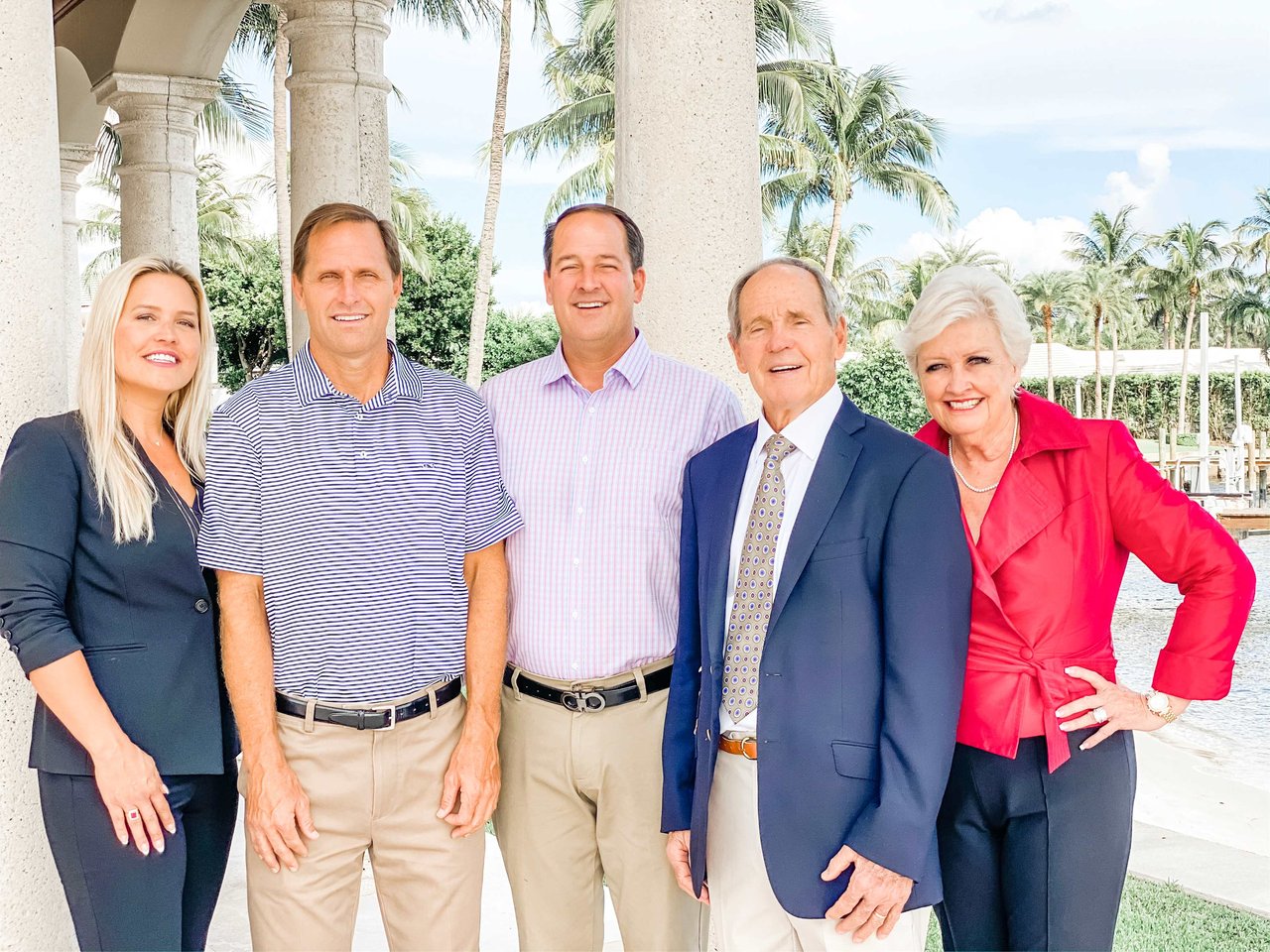
Reback Realty
11420 US HIGHWAY 1 PMB 122 NORTH PALM BEACH FL 33408