

Discover Exceptional Palm Beach Real Estate & Lifestyle
Estate Section and North End homes, landmark properties and oceanfront condominiums on the island.
Estate Section and North End homes, landmark properties and oceanfront condominiums on the island.
Palm Beach is a narrow barrier island between the Lake Worth Lagoon and the Atlantic. The town was incorporated in 1911 and connects to West Palm Beach by three bridges. Its luxury real estate includes the estates of the Estate Section south of Worth Avenue, the quieter residential streets of the North End, and the oceanfront condominiums along South Ocean Boulevard. Many older houses fall under the town's landmark and architectural review. Reback Realty, a family-run brokerage since 1975, advises buyers and sellers across the island.
The island is never more than about three-quarters of a mile wide, and in places it narrows to roughly 500 feet, so nearly every address is close to either the lake or the ocean, and often both. Three bridges cross to the mainland: the Flagler Memorial, the Royal Park and the Southern Boulevard.
The Estate Section is generally described as the area just south of Worth Avenue. Its architecture follows the Mediterranean language Addison Mizner gave the town in the 1920s, and many owners here choose restoration and careful additions over replacement. The North End runs north of The Breakers to the top of the island and uses the same architectural vocabulary more lightly; many buyers who want privacy over proximity end up there. Farther south, the South End is mostly condominium buildings facing the ocean and the lake. For families who would rather stay on the mainland, we also work in Lost Tree Village and North Palm Beach, a short drive north.
Worth Avenue runs four blocks from the Lake Worth Lagoon to the Atlantic. Its rise began in 1918, when the Everglades Club was built at the western end of what was then a dirt road. Mizner was one of the street's original developers, and the pedestrian vias that branch off the avenue, among them Via Mizner and Via Parigi, are still what set it apart. Merchants formed the Worth Avenue Association in 1938, and the street was redesigned in a project completed in 2010.
Change in town comes slowly and in public. New restaurants and shops go through the Town Council and the Architectural Commission, and approvals often carry conditions on seating, deliveries and valet service. We follow those agendas closely: see our notes on what is opening this season and what is still at Town Hall, and on the construction projects that met near Worth Avenue this August.
The Town Council adopted the Historic Preservation Ordinance in 1979, and more than 328 properties, sites and vistas are now protected. The seven-member Landmarks Preservation Commission identifies buildings worth studying, a town consultant researches each one, and the commission holds a public hearing and votes on whether to recommend designation, which the Town Council must ratify. Once a property is designated, changes need a Certificate of Appropriateness. Separately, the Architectural Commission (ARCOM) reviews new construction and significant exterior alterations.
For a buyer, the practical question is what a house might become, not just what it is. A house can be significant for its history, its architect or its design, and that is not always obvious from the street. We explain why in Palm Beach Landmark Review: What Buyers of Older Homes Should Know. David Reback, our Managing Partner and Broker, has also worked as a general contractor for 15 years. He can walk a property with you and give a plain view of what a renovation would involve compared with a rebuild, before any design work begins.
Many of the island's condominiums are along South Ocean Boulevard. Under Florida law, condominium buildings with three or more habitable stories now need a milestone structural inspection once they reach 30 years of age, and every 10 years after that, along with a structural integrity reserve study every 10 years. A building's most recent inspection, its reserve study and any planned assessments tell you as much about its future as the floor plan does.
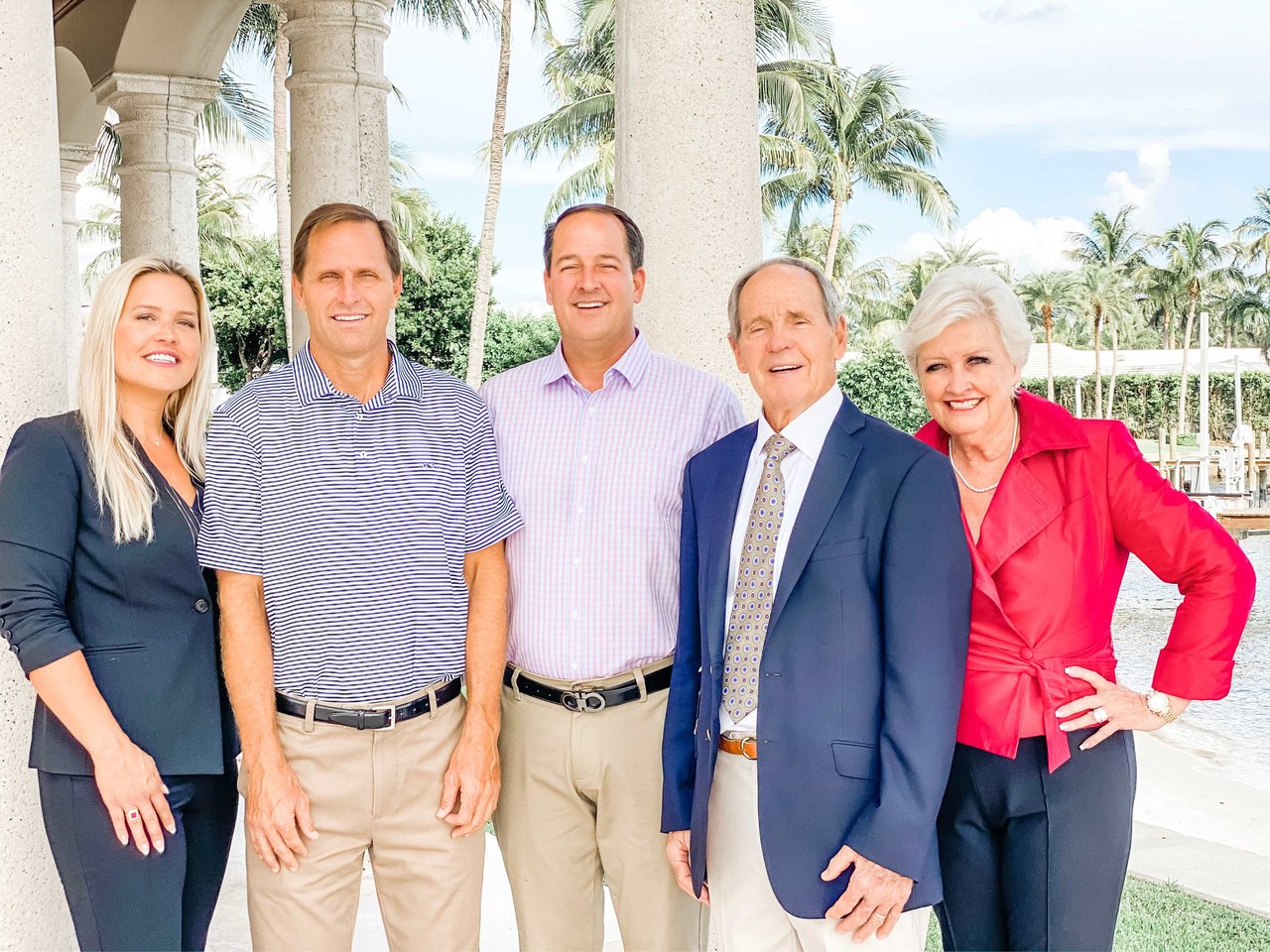
If you are thinking about selling, we are happy to prepare a private valuation. If you are weighing a purchase, we are glad to talk it through whenever the timing suits you. You can reach the family here or call David Reback at (561) 313-7762.
Yes. The Town of Palm Beach sits on a narrow barrier island between the Lake Worth Lagoon, part of the Intracoastal Waterway, and the Atlantic Ocean. It is never wider than about three-quarters of a mile. Three bridges connect it to West Palm Beach: the Flagler Memorial Bridge, the Royal Park Bridge and the Southern Boulevard Bridge.
The Landmarks Preservation Commission identifies significant buildings, and the town's consultant studies them. The commission then holds a public hearing and votes on whether to recommend designation, and the Town Council makes the final decision by ratifying it. The ordinance dates to 1979 and now protects more than 328 properties, sites and vistas. Changes to a landmark need a Certificate of Appropriateness.
Often yes, but it depends on the house. A designated landmark needs Landmarks Preservation Commission approval for changes, and new construction and significant exterior alterations go through the Architectural Commission (ARCOM). Before you make an offer on an older house, check whether it is designated or under study, and get a contractor's view of renovating versus rebuilding.
Ask for the building's milestone inspection report and its structural integrity reserve study. Florida requires both for condominium buildings with three or more habitable stories, with inspections starting at 30 years and repeating every 10 years. Then look at reserve funding, any planned special assessments, and the association's rules on leasing, pets and renovations.
Palm Beach Public, an elementary school, is on the island. Middle and high school assignments are set by the School District of Palm Beach County and can change, so confirm them for any specific address with the district's boundary locator. Many island families also look at independent schools in West Palm Beach and nearby communities.
Palm Beach has 5,479 households, with an average household size of 1.7. Data provided by the U.S. Census Bureau. Here’s what the people living in Palm Beach do for work — and how long it takes them to get there. Data provided by the U.S. Census Bureau. 9,348 people call Palm Beach home. The population density is 2,462 and the largest age group is Data provided by the U.S. Census Bureau.
Total Population
Population Density Population Density This is the number of people per square mile in a neighborhood.
Median Age
Men vs Women
Population by Age Group
0-9 Years
10-17 Years
18-24 Years
25-64 Years
65-74 Years
75+ Years
Education Level
Total Households
Average Household Size
Average individual Income
Households with Children
With Children:
Without Children:
Marital Status
Blue vs White Collar Workers
Blue Collar:
White Collar:
We pride ourselves on informing and educating our clients in order to make better real estate decisions. Contact us today to find out how we can be of assistance to you!
Reback Realty
11456 US HIGHWAY 1 PMB 122 NORTH PALM BEACH FL 33408


