
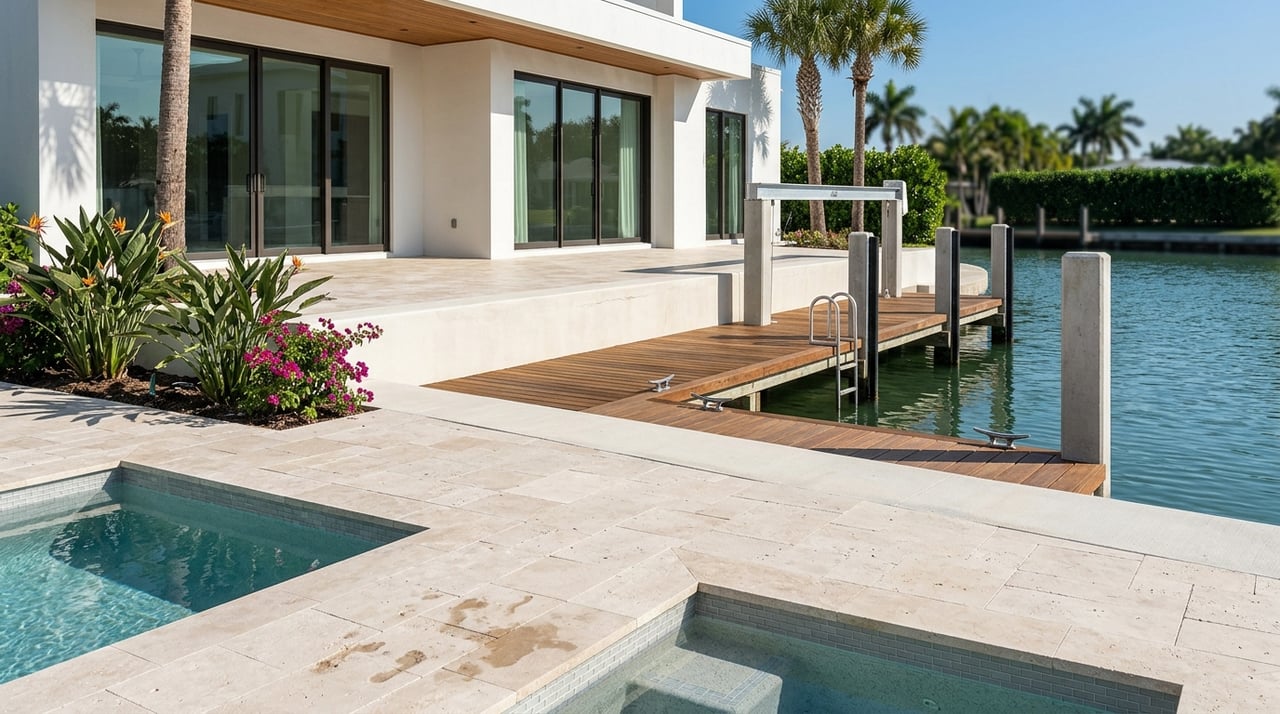
Preparing Your Harbor Place Home For A Future Resale
If you think resale prep starts a few weeks before you list, Harbor Place may ask you to think bigger. In a small waterfront setting, buyers often notice the details that signal long-term care, from permit records to seawall condition to how finished the outdoor spaces feel. If you want to protect value and keep future negotiations clean, a little planning now can pay off later. Let’s dive in.
Harbor Place is not just another neighborhood in Palm Beach County. County records describe it as a seven-lot subdivision on a 6.25-acre site east of Palmwood Road and north of Donald Ross Road, with adjacent land described by county staff as bordering the Intracoastal Waterway.
That matters because future buyers are likely to view your home as a scarce waterfront asset, not a standard suburban resale. In practice, that puts more attention on privacy, exterior condition, waterfront infrastructure, and the quality of your documentation.
When someone shops for a Harbor Place home, they are often evaluating more than square footage and finishes. They are also looking at how well the property has been maintained, whether past work was properly approved, and how much uncertainty they may inherit.
For that reason, the best resale prep often starts years before you plan to sell. If you make improvements with future review in mind, you give yourself a stronger position when it is time to go to market.
One of the smartest things you can do is maintain a single, organized file for the property. In Palm Beach Gardens, the local building and planning process includes permits, inspections, development records, and certificate-of-occupancy requests, so having those records ready can save time later.
Your file should include the key documents a future buyer may want to see. The goal is simple: make it easy to show that work was done correctly and closed out properly.
For a waterfront home, this paper trail can be especially valuable. It helps reduce guesswork for buyers, inspectors, lenders, and attorneys reviewing the property.
Open permits can create avoidable friction in a future sale. Palm Beach Gardens handles open-permit status requests through its Building Division, so it makes sense to check your status before you are anywhere near listing.
Even a beautiful property can lose momentum if a buyer discovers unresolved permit history during due diligence. A clean record can support a smoother transaction and help keep negotiations focused on value rather than repair credits or delays.
If you have completed renovations, additions, or exterior upgrades, confirm the permit path is fully closed. That is particularly important for any work near the water.
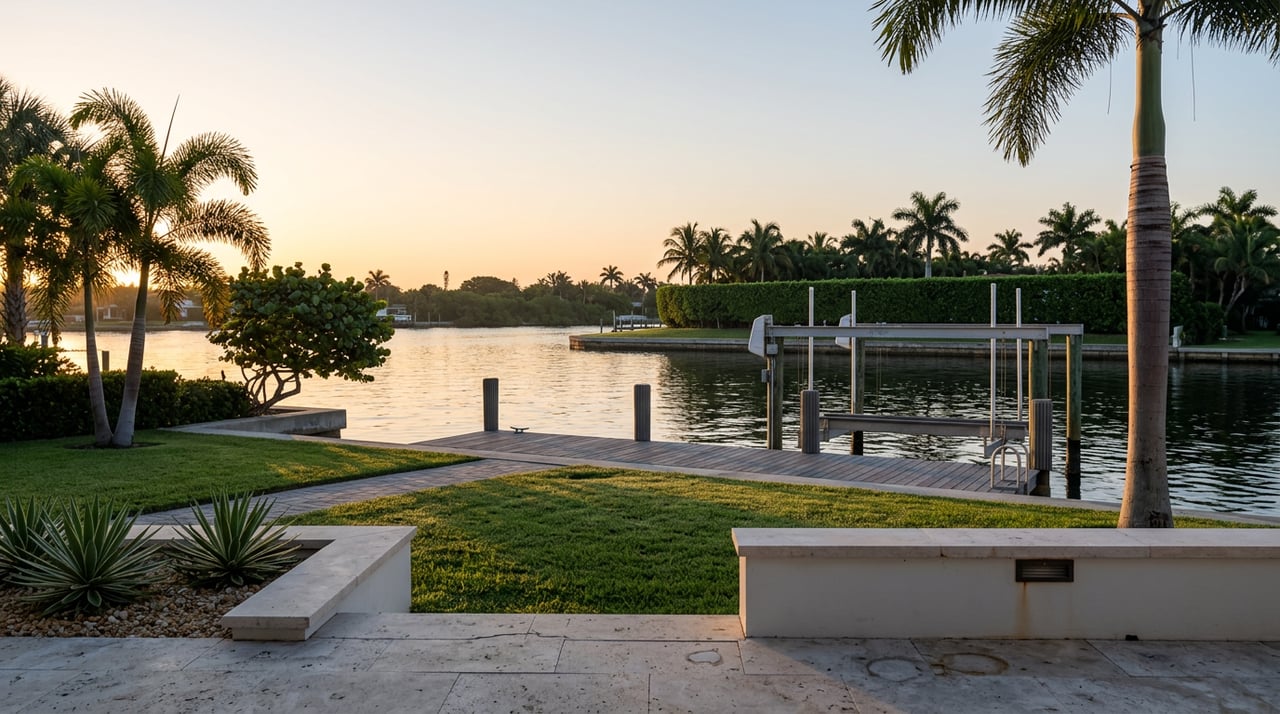
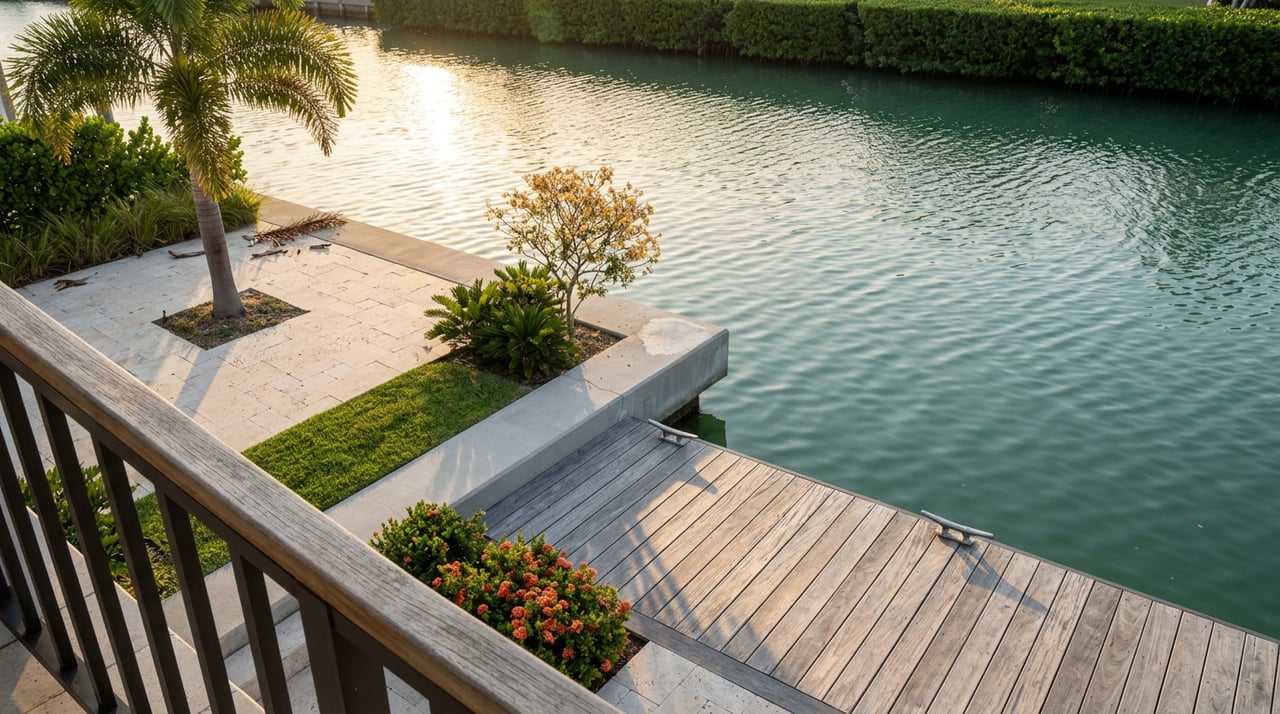
In Harbor Place, the dock and seawall are not side features. They are part of the property’s core appeal and part of how buyers judge functionality, upkeep, and long-term value.
Palm Beach Gardens’ dock-and-seawall checklist shows how detailed this work can be. Depending on the project, it may involve a Universal Municipal Permit Application, Army Corps approval, a certified boundary survey, signed and sealed plans, a contractor-signed permit application, and possibly a Notice of Commencement or HOA approval letter if requested by the reviewer.
That level of review tells you something important. Buyers are likely to care whether the dock or seawall work was done in the right location, with the right approvals, and with a clear record.
Palm Beach County also applies dock-specific setback rules. Accessory docks on the same lot as a residence must meet a five-foot side setback, and docks in publicly owned waterways must maintain a minimum five-foot side setback measured from the extension of the property lines into the waterway.
For future resale, that means location and paperwork matter just as much as appearance. If you plan updates, keep them aligned with the property and code requirements.
Flood-zone information is a basic part of waterfront resale prep in this area. Palm Beach Gardens states that new FEMA flood maps became effective on December 20, 2024, and Palm Beach County’s flood-damage rules rely on the FEMA Flood Insurance Study and Flood Insurance Rate Maps dated December 20, 2024.
Before you list, or ideally before you begin major planning, verify the property’s current flood designation using the official FEMA Map Service Center and keep a printout in your home file. In a coastal setting, buyers and lenders may look closely at flood exposure, so current documentation can help you answer questions quickly and accurately.
Not every improvement has to be dramatic to support resale. In fact, some of the most effective work is the kind that makes the property feel polished, usable, and well maintained.
That approach lines up with current buyer behavior. Zillow’s 2024 buyer survey found that 70% of buyers rated private outdoor space as very or extremely important, and buyer trend coverage from NAR points to continued interest in energy-efficient upgrades, flexible spaces, smart-home features, and usable outdoor areas.
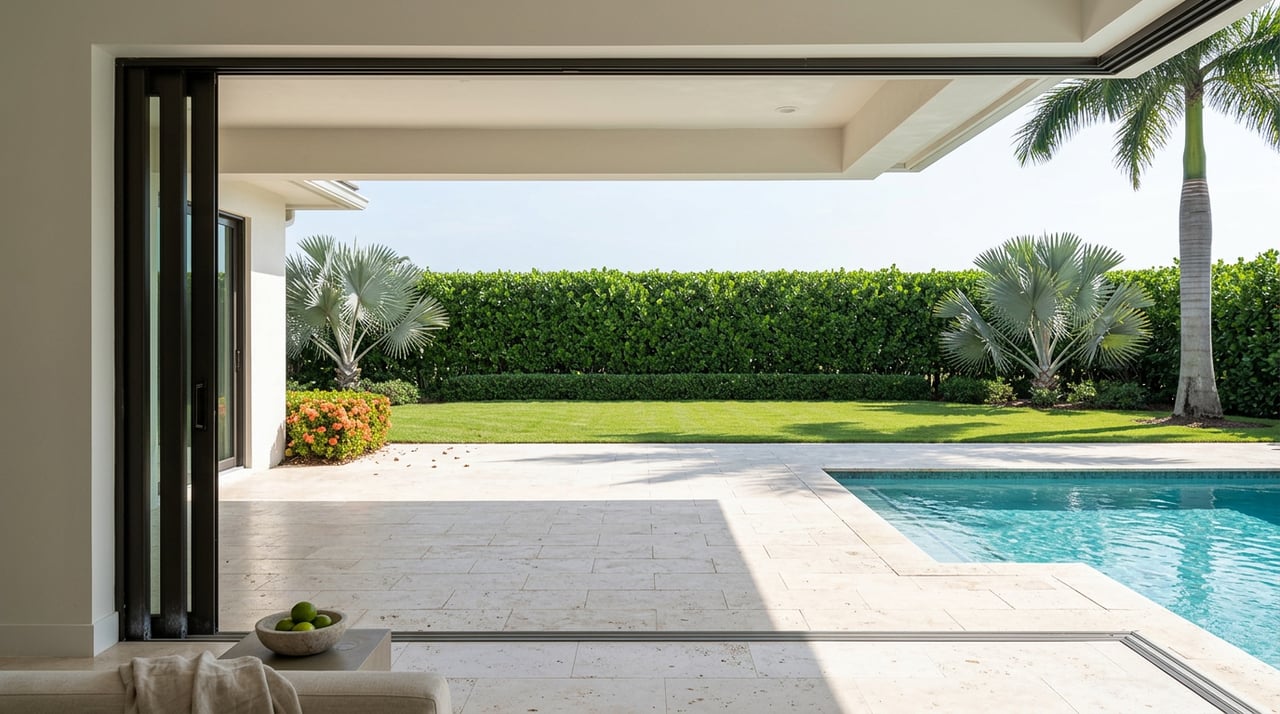
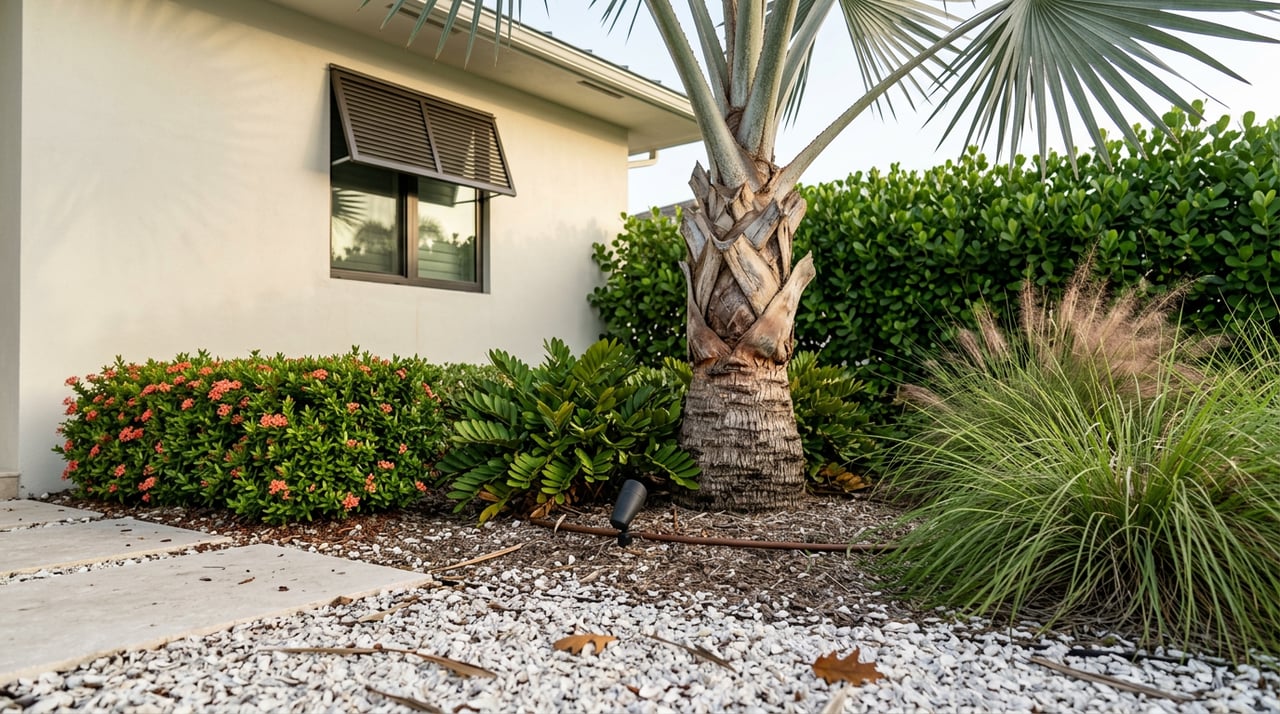
In Harbor Place, that often means the basics matter more than owners expect. Clean, functional, attractive outdoor spaces can reinforce the idea that the home has been cared for in all the places that count.
These are the features buyers see quickly, especially in a waterfront showing. If they look tired, buyers may assume less visible systems have also been deferred.
For a future resale, it helps to invest in upgrades that make the property easier to enjoy and easier to understand. The strongest return is often tied to improvements that look finished, feel practical, and support outdoor living without making the property feel overbuilt.
NAR’s 2023 Remodeling Impact Report for outdoor features found strong resale logic for landscape maintenance, estimated by REALTORS at 104% cost recovery and recommended before selling at 74%. The same report noted 100% cost recovery for overall landscape upgrades, 95% for new patios, 89% for new wood decks, and 100% for outdoor kitchens.
That does not mean every owner should add every feature. It does suggest that in a high-value waterfront setting, improvements that create a clean, useful, low-hassle exterior environment may resonate more consistently than highly personal design choices.
The best approach is usually measured and proportional. In a boutique seven-lot setting like Harbor Place, waterfront improvements should support the home without visually or physically overwhelming the property.
If you know a sale may happen within the next few years, spread the work out. Start with records, flood-zone verification, and permit status, then move to maintenance items and improvement planning.
This approach gives you time to make better decisions and avoid expensive last-minute fixes. It also allows you to present the home as carefully stewarded, which is often a powerful message in the luxury waterfront market.
When a buyer sees a well-kept Harbor Place property with organized records, clear permit history, and maintained waterfront features, the home often feels easier to purchase. That confidence can matter just as much as design when the numbers get serious.
On the other hand, uncertainty tends to invite discounts, extended due diligence, and repair requests. The more clearly you can show stewardship, the better your chances of supporting a smooth and premium exit.
Preparing for a future resale is really about protecting optionality. If market timing changes or your plans shift, you want your property ready to meet the moment with fewer surprises.
If you want discreet guidance on how to position a Harbor Place property for a future sale, Reback Realty offers confidential, high-touch advice grounded in Palm Beach County waterfront experience.
Stay up to date on the latest real estate trends.
We pride ourselves on informing and educating our clients in order to make better real estate decisions. Contact us today to find out how we can be of assistance to you!
Reback Realty
11420 US HIGHWAY 1 PMB 122 NORTH PALM BEACH FL 33408