Looking for a North Palm Beach waterfront before it hits the MLS? You are not alone. With limited shoreline and high demand, the best docks, deep water, and ocean access often trade quietly. In this guide, you’ll learn where those off-market opportunities come from, how to find them, what to verify, and how to weigh privacy, price, timing, and risk. Let’s dive in.
What off-market means
Off-market simply means a property is available to purchase without public MLS exposure. In practice, that can include private broker pocket listings, confidential or “whisper” listings shared only with vetted buyers, exclusive office listings when permitted, owner-to-buyer sales, or attorney-managed estate and trust sales. Investor trades and wholesaler deals also move off the MLS.
MLS rules and ethics still apply. The National Association of Realtors’ Clear Cooperation Policy limits how publicly marketed listings must be handled on the MLS. Private offerings confined to direct outreach or broker networks can be lawful when not publicly marketed. Whether you are buying or selling, the transaction still requires full and accurate disclosures and standard closing documentation under Florida law.
Why it fits North Palm Beach
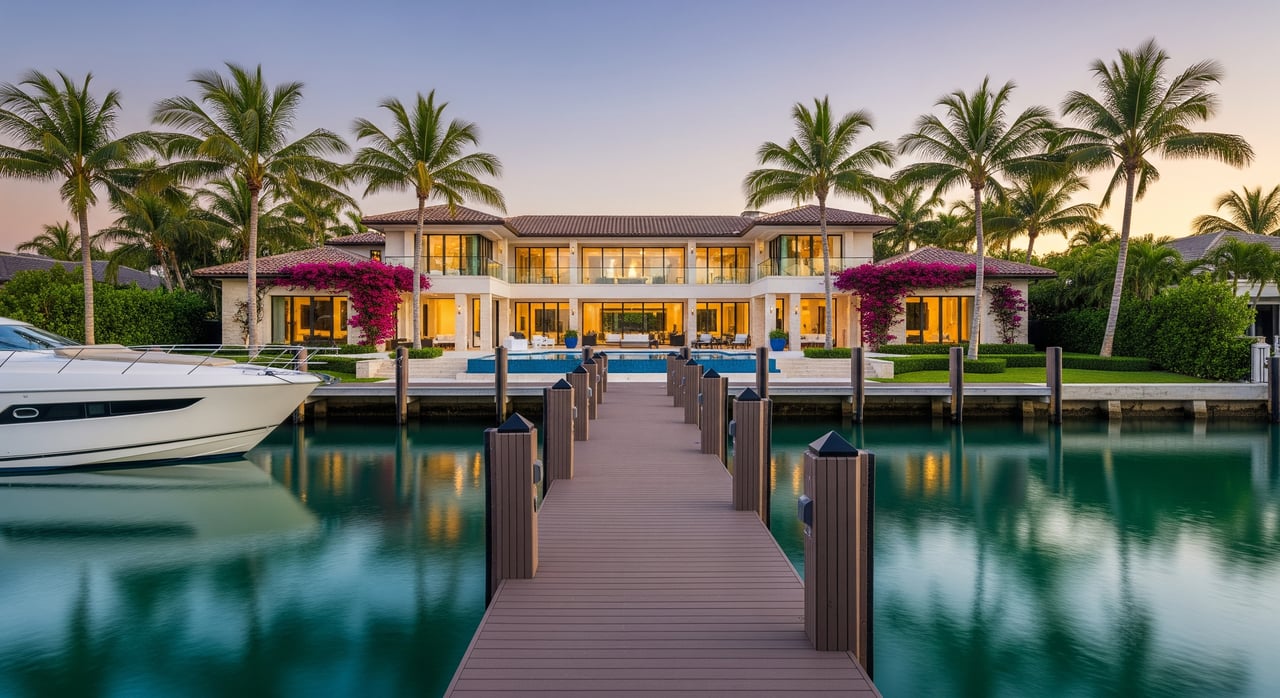
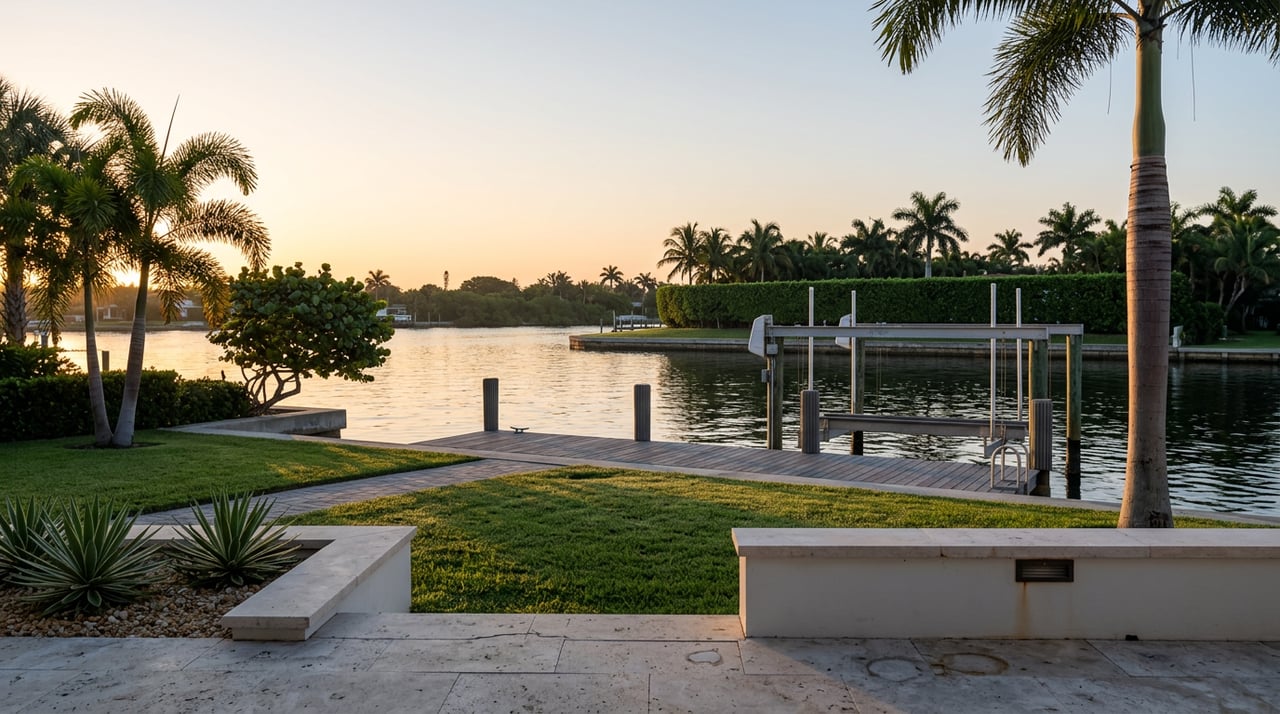
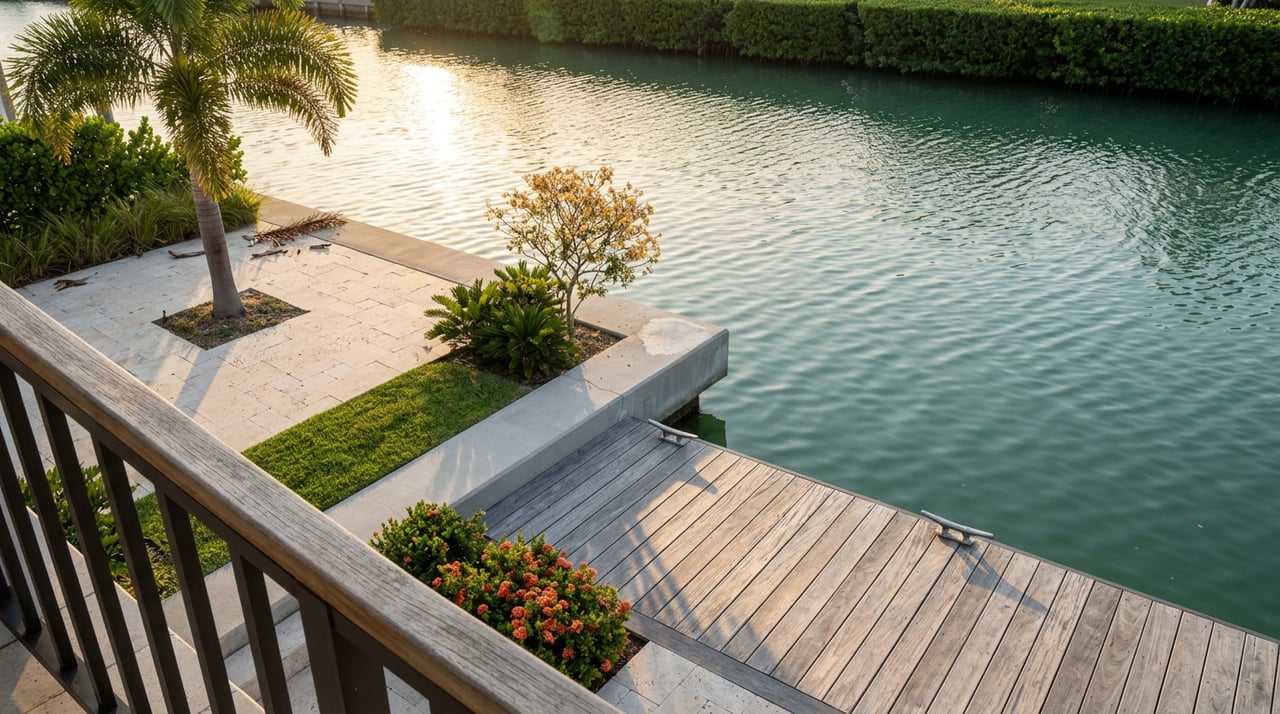
Waterfront inventory in Palm Beach County is scarce relative to demand. In North Palm Beach and nearby communities, available property types include Intracoastal frontage, canal-front single-family homes with private docks, and condos with deeded or leased slips. Features that drive value are specific: dock and lift capacity, draft and depth for ocean access, seawall condition, proximity to inlets and marinas, and riparian rights.
Sellers with privacy concerns, estates, or time-sensitive relocations often prefer discrete exposure. Buyers chasing rare features such as deep water or direct ocean access pursue off-market leads to get ahead of competition. Cash buyers are common, but financed purchases can work when valuations, flood and wind insurance, and permitting boxes are checked.
How buyers find them
You can access off-market options by pairing readiness with relationships. Start here:
- Engage a waterfront-savvy buyer’s agent. Work with a local agent who understands tides, dock specs, seawall life cycles, and has ties to marina managers and private clubs.
- Build marine and contractor connections. Introduce yourself to yacht brokers, marina operators, marine electricians, and seawall contractors. They often hear early whispers.
- Prepare funds and move fast. Keep proof of funds or a fresh pre-approval ready. Reasonable, clean offers and flexible timelines help you win quietly.
- Use targeted outreach. With your agent, consider respectful letters to owners on specific canals or the Intracoastal, title and tax record research, and monitoring of probate or estate filings.
- Tap private networks. Experienced brokers maintain curated buyer lists and exclusive office networks that surface opportunities before public launch.
Seller tradeoffs to weigh
Off-market is not only about privacy. It is a strategy with pros and cons:
- Privacy and control. Limit showings, reduce staging, and choose who enters your home. High-profile sellers value discretion.
- Speed and coordination. If you are relocating, an off-market sale to a prequalified buyer can simplify timing.
- Price exposure. Limited marketing can reduce competitive bidding and may impact sale price. Some sellers test the market privately before deciding whether to list publicly.
- Compliance and disclosures. Florida requires sellers to disclose known material defects. Off-market does not change your duties or documentation.
If you are balancing legacy and timing against maximizing price, discuss a staged approach with your broker. You can begin with confidential outreach, then pivot to full MLS and national syndication if needed.
Waterfront due diligence checklist
Off-market does not mean cutting corners. Before writing an offer, ask your agent to help secure:
- Flood zone and Elevation Certificate. Confirm FEMA flood zone status and obtain an Elevation Certificate if available. Insurance and financing often require it.
- Recent boundary and waterfront survey. Look for the mean high water line, dock and seawall locations, and any encroachments.
- Seawall and dock inspections. Order a marine survey. Evaluate pilings, caps, electrical, lifts, and evidence of settlement or corrosion.
- Permit history for waterward improvements. Verify permits for docks, lifts, and seawall work through applicable agencies. Unpermitted structures can delay or derail closing.
- Title and riparian rights review. Ensure riparian or littoral rights, recorded easements, and any submerged land issues are understood and insurable.
- HOA or community marina rules. Confirm covenants on dock size, lifts, and slip assignments if the property or community has shared water access.
- Seller disclosures and repair records. Review hurricane and flood claim history, mitigation updates, and any structural reports.
- Appraisal by a waterfront-experienced appraiser. Unique features and fewer comps make experience crucial.
Financing, insurance, appraisal
Financing is possible for off-market waterfront purchases, but expect more scrutiny. Lenders will require appraisal, title clearance, flood determinations, and often seawall or structural reports. Because comparable sales can be limited, a lender’s appraiser with local waterfront experience is preferable.
Insurance planning is essential. Many waterfront parcels lie in mapped flood zones, which can trigger flood insurance requirements for federally backed loans. Windstorm and homeowners premiums can be higher than inland properties, and insurer options may be limited. Florida’s Citizens Property Insurance Corporation serves as an insurer of last resort when private options are unavailable. Get quotes early so carrying costs do not surprise you.
Permits, docks, riparian rights
Waterfront improvements require attention to authority and records. Docks, lifts, and seawalls typically need permits from relevant agencies that can include federal, state, and county departments. Confirm that existing structures were permitted and closed out. Your title review should address riparian rights, recorded easements, and any limitations on waterward improvements.
If you plan changes such as a larger lift, deeper draft access, or new dock configuration, verify feasibility before you close. Rules related to shorelines, mangroves, seagrasses, and dredging can affect what you can build.
Long-term risks to plan for
Coastal ownership involves long-term planning. Sea level rise and king tide events are active considerations in South Florida. Municipalities and regional groups have ongoing resiliency initiatives, but future conditions can affect access, infrastructure, and insurance.
Seawall replacement is a notable capital expense that can surface quickly. Determine who is responsible for maintenance and whether any special assessments or municipal programs apply. Consider the total cost of ownership over time, including potential elevation or mitigation projects and the likely trajectory of insurance premiums.
How Reback Realty helps
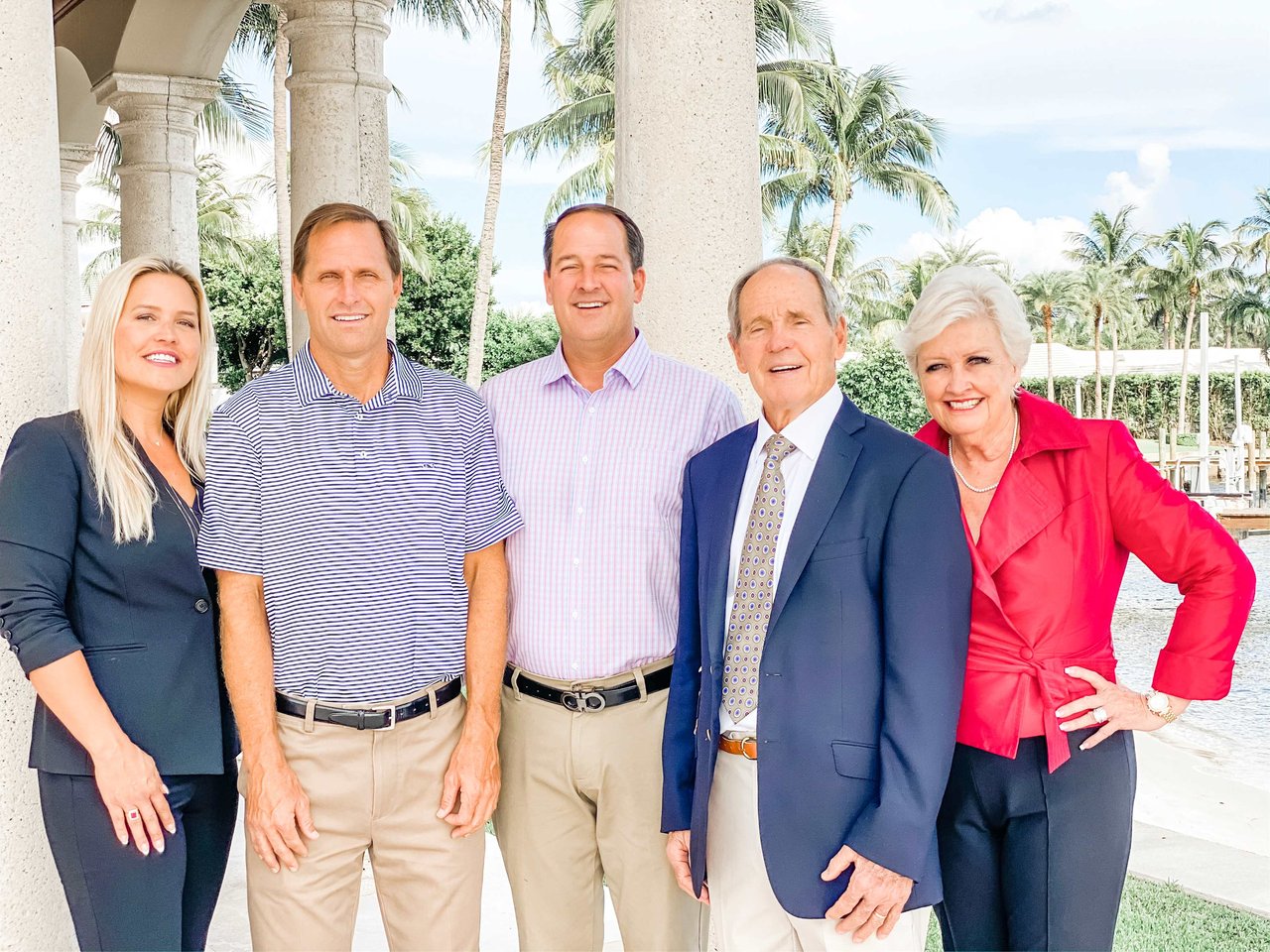
You deserve more than a list of addresses. You need a team that marries local relationships with technical know-how. As a family brokerage established in 1975, Reback Realty operates in the micro-markets where off-market waterfront deals most often trade, including North Palm Beach, Juno Beach, Palm Beach Gardens, and Jupiter.
- Discreet sourcing. We maintain confidential buyer and seller networks, collaborate with marina and yacht-club contacts, and manage introductions that respect privacy.
- Construction-level insight. With licensed-contractor and spec-build experience on our team, we evaluate seawalls, docks, lifts, and structural elements with a practical eye toward cost and feasibility.
- Balanced strategy. We can test a confidential approach and shift to full MLS and national portal syndication if maximizing exposure becomes the right move.
- Estate and relocation fluency. We are comfortable with attorney- or executor-led sales, trust structures, and timing-sensitive transitions.
Whether you are buying for deep water access or selling a legacy waterfront, our role is to protect your interests while keeping the process quiet, efficient, and compliant.
Your next steps
For buyers:
- Clarify your waterfront criteria. Dock length, lift capacity, draft, proximity to inlets, and tolerance for renovation all matter.
- Get financially ready. Keep proof of funds or pre-approval current, and engage an insurance broker early to estimate flood and wind coverage.
- Choose your agent. Select a local broker with off-market reach and waterfront technical competence.
- Start targeted outreach. Work with your agent to engage marinas, yacht brokers, and owners along key canals.
- Prepare to inspect quickly. Line up a marine surveyor and home inspector who can move on short notice.
For sellers:
- Define priorities. Privacy, timing, and price are the key tradeoffs.
- Gather documentation. Recent survey, permit records, disclosures, HOA rules, flood and claim history, and any seawall or dock reports.
- Choose a go-to-market path. Consider a confidential window with selective outreach, then expand to MLS if needed.
- Preempt buyer questions. If a seawall evaluation or permit clarification could stall a deal, address it before you accept an offer.
- Coordinate timeline. Align your sale with your next purchase, move, or estate milestones.
Ready to talk through the options, on or off the market? Request a Confidential Home Valuation or ask us about current off-market activity through Reback Realty.
FAQs
Are off-market waterfront deals legal in Florida?
- Yes, when conducted in compliance with MLS and brokerage rules, Florida disclosure laws, and standard contractual obligations; private marketing is allowed when it is not publicly advertised and documentation remains complete and accurate.
How do I find off-market homes in North Palm Beach?
- Work with a waterfront-focused agent who uses private broker networks, marina and yacht-broker relationships, targeted outreach to owners, and monitoring of probate or estate activity to surface quiet opportunities.
Can I finance an off-market waterfront purchase?
- Yes, but lenders still require appraisal, title, insurance, and often seawall or structural checks; limited comparable sales and flood-zone factors can add scrutiny, so prepare early.
What hidden costs should I expect on the water?
- Seawall repair or replacement, dock and lift maintenance, higher flood and windstorm insurance premiums, potential mitigation for unpermitted structures, and moisture or corrosion-related repairs.
Do sellers get more money off-market?
- Sometimes privacy and speed are worth more than broad exposure, but limiting competition can impact price; a staged strategy that begins privately and then expands to MLS can help you balance goals.
What documents should I review before offering?
- FEMA flood determination and any Elevation Certificate, recent survey showing mean high water line, seawall and dock inspection reports, permit history, title and riparian rights review, HOA or marina rules, seller disclosures, and a waterfront-experienced appraisal.