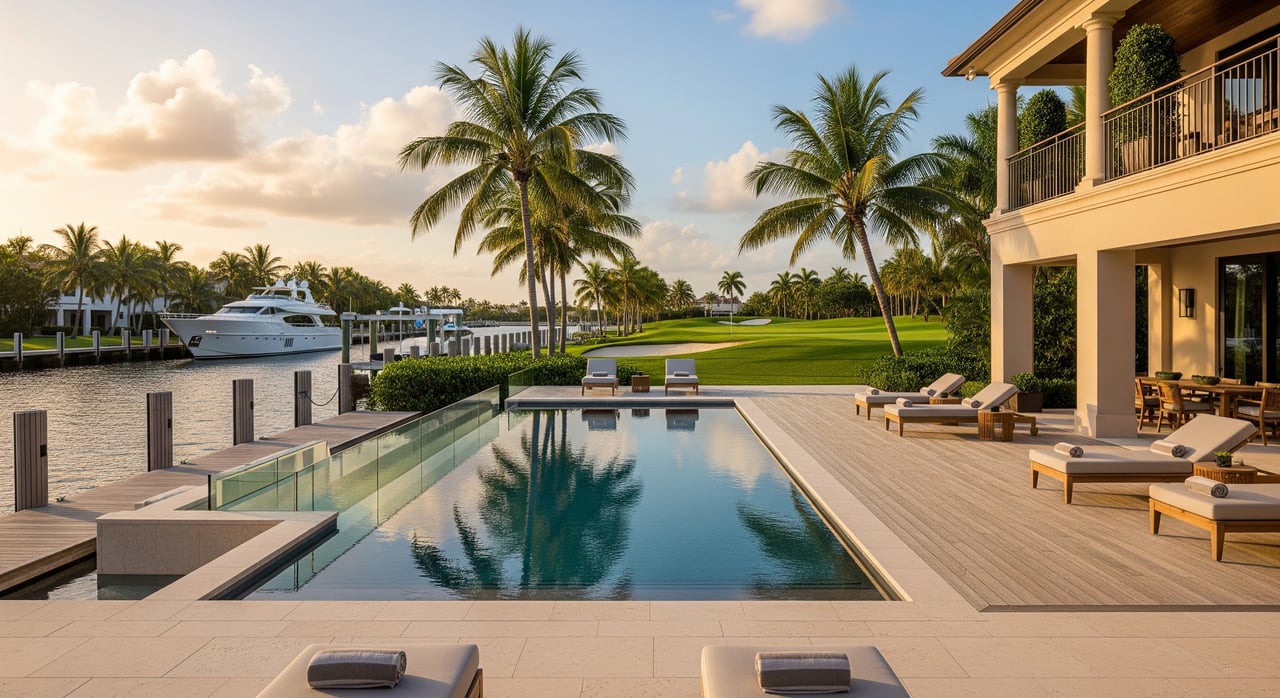
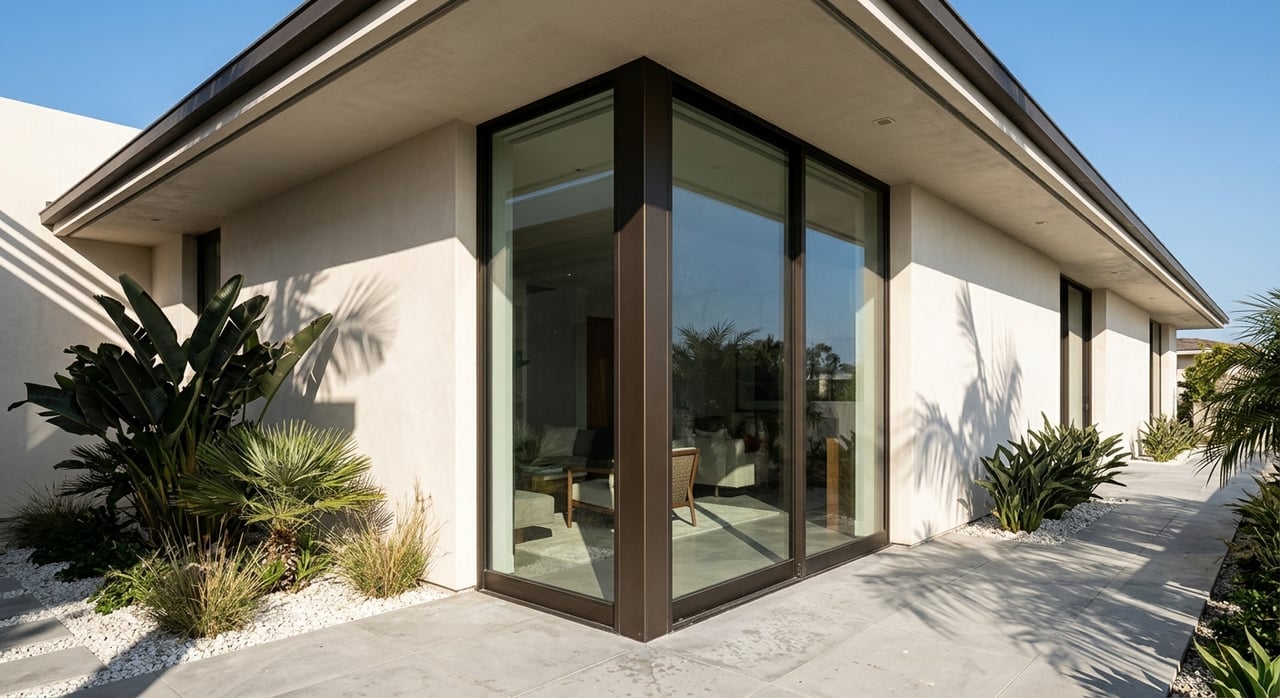
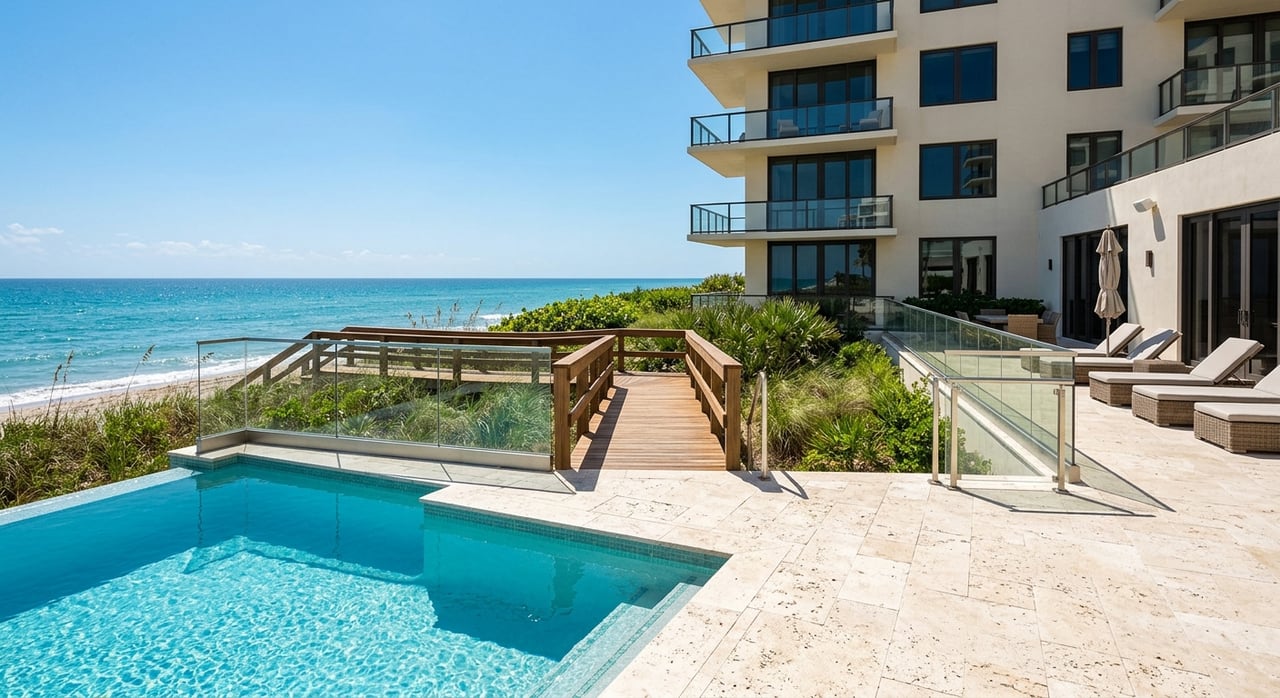
Sunrise over the Intracoastal or a long view across emerald fairways. If you are exploring Lost Tree Village, you are likely weighing two very different, equally compelling lifestyles. It is a good problem to have, but the right choice depends on how you live day to day and how you plan to use the home. In this guide, you will compare waterfront, golf-front, and interior living in Lost Tree Village so you can find the best fit and buy with confidence. Let’s dive in.
Lost Tree Village at a glance
Lost Tree Village is a gated, private community in the North Palm Beach area of Palm Beach County. The setting blends privacy, mature landscaping, and a true coastal lifestyle with access to the Intracoastal and Atlantic. The community’s private club manages golf and social amenities, and membership is typically separate from home ownership.
The market here is part of the broader Palm Beach–Boca Raton luxury corridor. Inventory, pricing, and days on market move with county and luxury trends, as well as interest rates and seasonal demand. If you plan to compare specific prices, ask for current MLS reports broken out by waterfront, golf-front, and interior homes.
Waterfront vs. golf-front vs. interior: everyday differences
Privacy and neighborhood feel
- Waterfront: Many homes sit on generous lots with water on one side, which creates visual openness and a coastal feel. Privacy can vary with passing boat traffic and neighboring docks, though setbacks and landscaping often help.
- Golf-front: Fairway frontage delivers manicured, park-like surroundings and a quiet rhythm of scheduled play. Privacy depends on your distance from cart paths and maintenance routes.
- Interior: These lots often offer the most seclusion and tree cover. If you prefer reduced external activity and a tucked-away setting, interior homes are a strong fit.
Views and aesthetics
- Waterfront: The view is the star. You will watch tide changes, boats, and wide water or canal scenes. Orientation matters, since sunrise and sunset angles shape daily light.
- Golf-front: Expect consistent green vistas and open sky. Seasonal maintenance and play can shape the ambiance, but sightlines tend to be predictable and calming.
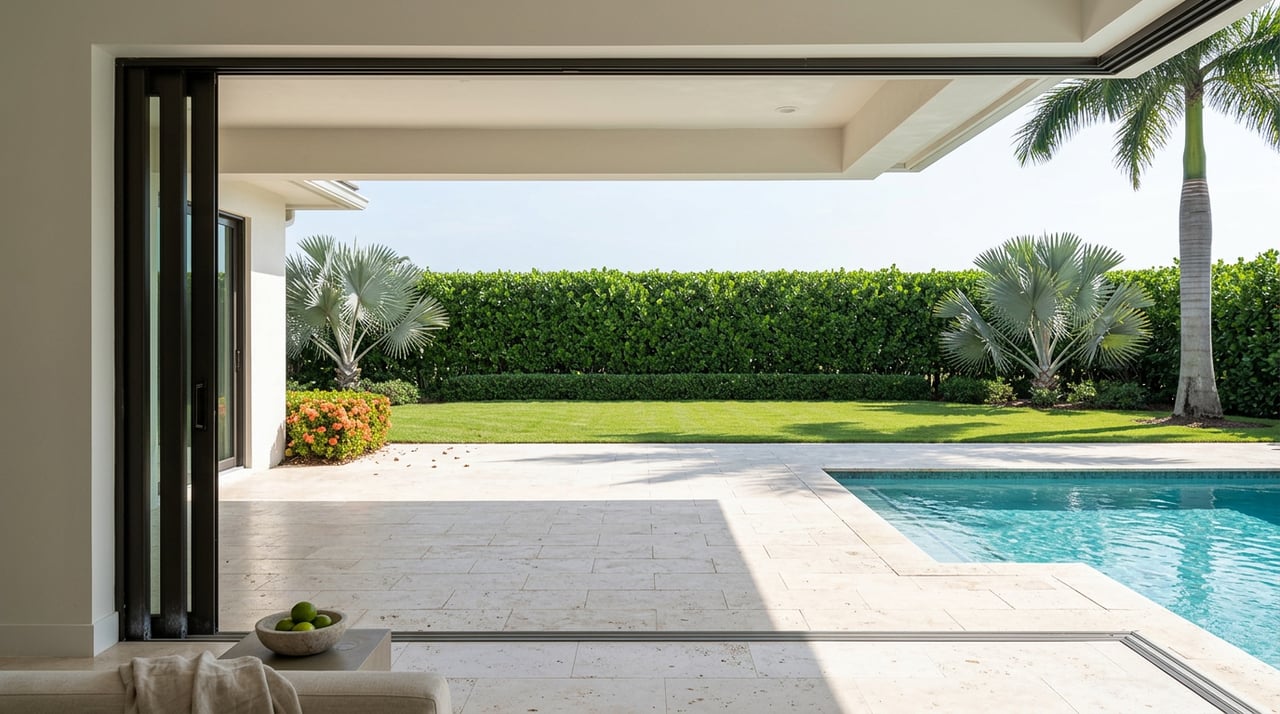
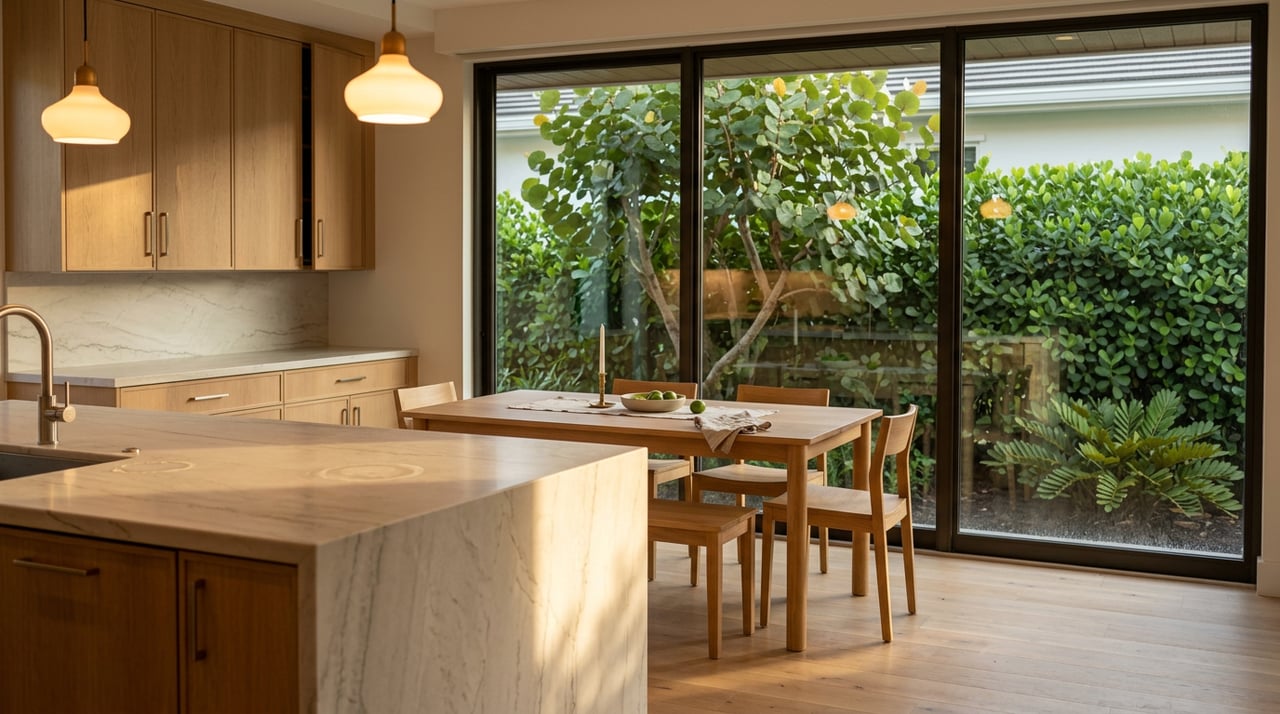
- Interior: Views are residential and garden focused. Many interiors lean into courtyards and landscaping to create a private retreat.
Club access and social life
- Waterfront: Many owners are boaters first, though club membership is common among residents who want dining, golf, and social events. Proximity to the clubhouse varies by lot location.
- Golf-front: This is the natural choice for golfers and members who want to live along the course. Access to tee times and events typically requires a separate paid membership, so confirm current categories and terms.
- Interior: You can enjoy the full club lifestyle if you join, often with a quieter home setting. Social life depends on your interest in the private club and community events.
Boating and beach proximity
- Waterfront: The primary advantage is private dockage or dock access adjacent to the home with direct Intracoastal access. It is ideal for day boating, fishing, and shorter runs to the ocean inlet compared to non-waterfront homes. Verify dock ownership, permitted vessel sizes, seawall condition, and any waitlists for slips.
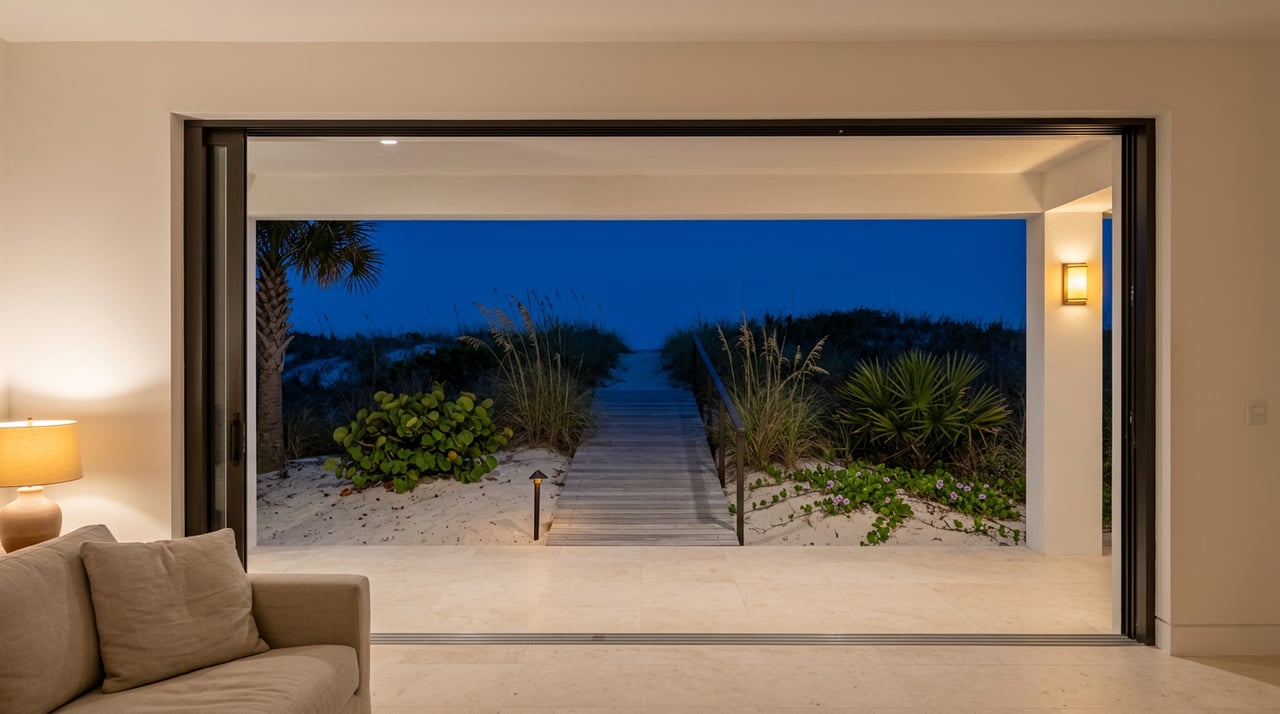
- Golf-front: You will drive to a marina or launch for boating. Beaches and marinas are still nearby by car, which keeps the lifestyle convenient without dock upkeep.
- Interior: Similar to golf-front for boating and beach access. Walkability varies within the community, so check exact distances when touring.
Maintenance, insurance, and lifecycle costs
- Waterfront: Expect higher ongoing care, including seawalls, docks, and finishes exposed to salt air. Insurance premiums for wind, hurricane, and flood can be higher, and many parcels fall within FEMA flood zones. Obtain the property’s flood zone and an elevation certificate before you bid.
- Golf-front: Exterior maintenance is moderate compared to waterfront. Flood risk is often lower than at the water’s edge, though coastal weather still applies.
- Interior: Generally the lowest maintenance and insurance profile of the three, depending on elevation and exposure. This can help long-term ownership costs.
Resale and market dynamics
- Waterfront: Scarcity and utility often support strong demand and price-per-square-foot. Buyer pools can shift with insurance costs and extreme weather events, so presentation and risk data matter.
- Golf-front: Appeals to a consistent submarket of golfers and club members. Values tend to track the strength and desirability of the course and facilities.
- Interior: Often the value leader within the gates. Interiors attract privacy-minded and price-conscious buyers, and they can be easier to renovate or customize.
What drives value in Lost Tree Village
Several factors can materially shift value within the community. If you are comparing two homes across streets or property types, look closely at the following.
- Dock size, lift capacity, and permitted boat length
- Seawall age and condition, plus recent inspections or repairs
- Water orientation and whether ocean access is direct without fixed-bridge constraints
- Lot orientation for light, privacy, and view depth
- Architectural style, renovation quality, and landscape maturity
- Club membership terms, including any transferable or required memberships tied to a listing
- Flood zone designation and elevation, which feed insurance cost and risk profile
Cost and risk essentials to verify
Waterfront ownership can be straightforward when you verify the right details early. Ask your agent and the seller for documentation and clarity.
- Flood zones and insurance: Confirm FEMA flood maps, obtain an elevation certificate, and price coverage for homeowners, wind, hurricane, and flood.
- Docks and seawalls: Review permits, ownership, recent maintenance, and material specifications. Clarify who is responsible for seawall upkeep.
- Club membership: Verify categories, initiation dues, annual fees, and any waitlists. Check whether a listing includes transferable privileges.
- Environmental and coastal rules: Understand coastal setbacks, mangrove preservation, and any shoreline protections that could impact improvements.
- Taxes and assessments: Review the Palm Beach County property tax structure and ask about special assessments tied to community projects.
Touring tips and decision checklist
Use this quick checklist to keep your search focused and comparable.
For waterfront homes
- Is there a private dock, and what vessel length is permitted?
- When was the seawall last inspected or repaired, and by whom?
- What is the FEMA flood zone, and do you have an elevation certificate to review?
- How direct is access to the Intracoastal and the ocean inlet from this dock?
For golf-front homes
- How close is the home to tee boxes, greens, or cart paths?
- Are there view easements or maintenance routes behind the property?
- Does the home include any transferable club privileges, or will you apply as a new member?
For interior homes
- What are the walking or driving distances to the clubhouse, fitness, dining, and the beach?
- Are there opportunities to add a pool, expand living space, or create a courtyard garden?
For all homes
- What are current HOA or POA fees, and what do they cover?
- Are there pending or recent special assessments?
- What are the most relevant comparable sales in the last 6 to 12 months?
- Has the property had storm damage or insurance claims on record?
- Will your lender or insurer treat this as a primary or second home, and what does that change?
Which lifestyle fits you best
Choose based on how you spend your time, not just the view.
- Choose waterfront if you are on the water several days a week, you value dockside convenience, and you are comfortable with coastal maintenance and insurance.
- Choose golf-front if your day revolves around tee times, practice sessions, and the social cadence of club life, and you want open green views without dock upkeep.
- Choose interior if you prefer privacy and a quiet retreat, you want to manage long-term costs, and you like the option to personalize the property with landscaping or design.
How to compare pricing without guessing
A helpful approach is to look at two or three recent sales in each category and note lot orientation, renovation level, and any transferable memberships. Ask your agent to pull median and average sale prices, price-per-square-foot, days on market, and list-to-sale ratios for each property type. Review months of supply and current active inventory to understand leverage when you write an offer.
You will make a stronger decision when you pair lifestyle fit with data and property condition. For example, a newer seawall and a dock that fits your boat can outweigh small differences in interior finishes.
Work with a local, construction-savvy advisor
In Lost Tree Village, details like seawall age, dock permits, flood elevation, and course-side easements influence both enjoyment and value. You deserve guidance that blends neighborhood mastery with practical construction insight. Reback Realty is a family-run boutique with multi-generational roots in North Palm Beach and a track record across waterfront and golf-course estates. The team pairs high-touch service with contractor-level advice on property condition, renovation economics, and development potential.
If you are weighing waterfront versus golf-front living in Lost Tree Village, let us help you compare real-world costs, risk, and resale. Start a private conversation with Reback Realty today.
FAQs
Do I need a club membership to live in Lost Tree Village?
- Membership is typically separate from home ownership, and you can live in the community without joining, though access to golf and social amenities usually requires a paid membership.
How much more do waterfront homes cost in Lost Tree Village?
- Waterfront homes generally command the highest prices due to scarcity and dock utility, so ask for current MLS data to quantify the premium for your target size and location.
Are waterfront homes at higher risk from hurricanes and flooding in Palm Beach County?
- Yes, waterfront properties often face higher wind and flood exposure, so verify the FEMA flood zone, obtain an elevation certificate, and get insurance quotes early.
Are golf-front homes noisy or intrusive during play?
- Most offer peaceful, scheduled activity, but proximity to tee boxes, greens, and maintenance paths affects noise and privacy, so visit during typical play hours.
How close are non-waterfront homes to beaches and marinas in Lost Tree Village?
- Golf-front and interior homes do not have private docks, so you will drive to nearby marinas or beaches, and exact travel times vary by lot location within the community.
What should I check on a dock or seawall before buying waterfront in Lost Tree Village?
- Confirm dock ownership and permits, permitted boat length, lift capacity, seawall age and condition, and any community rules or waitlists for slips.