
How Market Cycles Shape Lost Tree Village Values
A single eight-figure waterfront closing can shift the “median price” for Lost Tree Village overnight. If you are trying to time a sale or evaluate a purchase, that volatility can be frustrating. The good news is you can read the signals with a clearer lens by understanding how market cycles interact with this rare, low‑turnover enclave. In this guide, you will see how to interpret data in a small luxury market, what really drives values here, and what timing cues matter most for owners and investors. Let’s dive in.
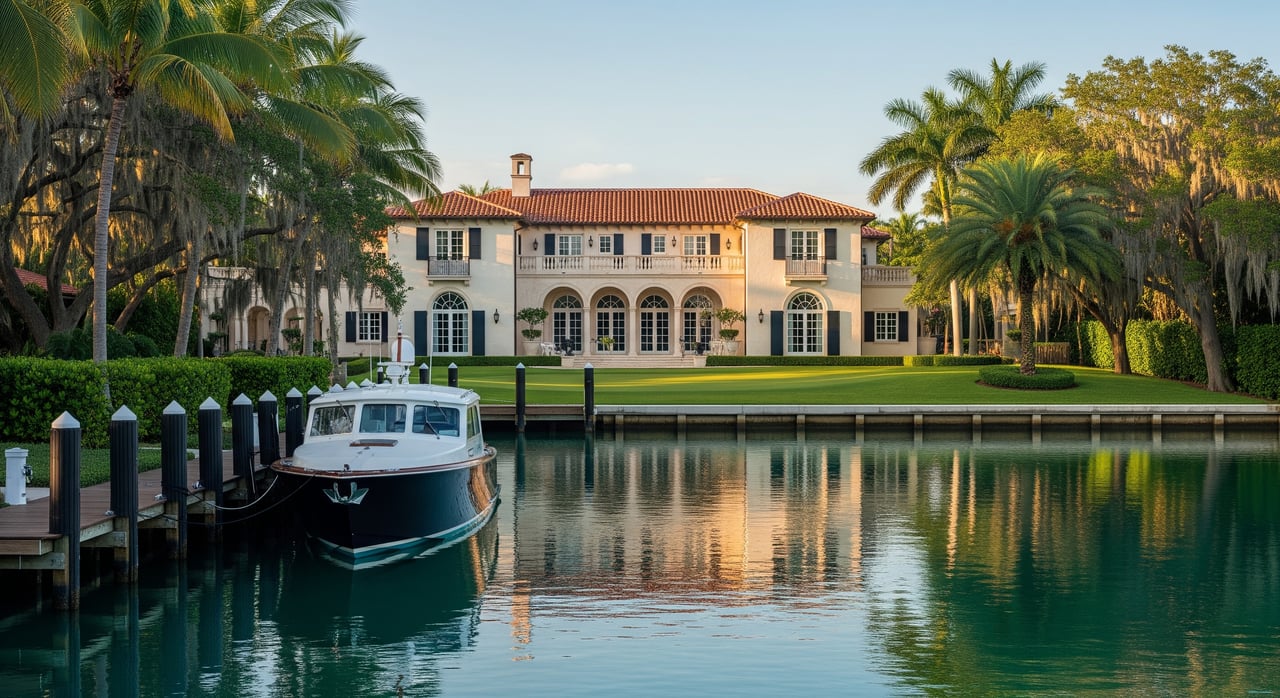
Lost Tree Village is a gated, estate-scale community with large lots, custom homes, and a meaningful share of waterfront properties. Turnover is low and the buyer pool is specialized, which means there are relatively few sales in any given year. With a small sample size, one unusually high or low sale can swing headline metrics like median price or average price per square foot.
Because of this, focus on smoothed or rolling statistics rather than month-to-month changes. A rolling 12-month median sale price and 12- to 24-month trendlines provide a truer view of direction. Always pair any price statement with context like sales counts, days on market, and months of supply to avoid reading too much into a single outlier.
During the COVID period, ultra-low mortgage rates, tax migration to Florida, and lifestyle shifts drove strong demand for South Florida real estate. In Palm Beach County’s coastal luxury segments, limited inventory met heightened appetite for space and privacy. Waterfront and estate properties in micro-markets like Lost Tree saw competitive interest and faster absorption.
In 2022, rapid increases in mortgage rates reduced affordability for leveraged buyers nationwide. Even in the luxury tier, the buyer mix shifted, and some segments experienced slower price growth and longer marketing times. In South Florida, overall demand remained comparatively resilient, but the multiple-offer frenzy eased and negotiation margins widened in select listings.
Markets became more mixed. Entry and mid-price tiers behaved differently from ultra-luxury. Coastal luxury listings in Palm Beach County generally carried more inventory and longer days on market than at the 2021 peak, but unique attributes such as deep-water dockage, ocean or Intracoastal views, and turnkey renovations continued to command attention. Florida’s tax environment and international capital flows helped support demand relative to other regions.
Lost Tree’s limited number of estate lots and infrequent turnover support long-run appreciation. Larger parcels with privacy and room for amenities tend to carry a durable premium. When a neighborhood has very little replaceable supply, time in the market often matters more than trying to time the market perfectly.
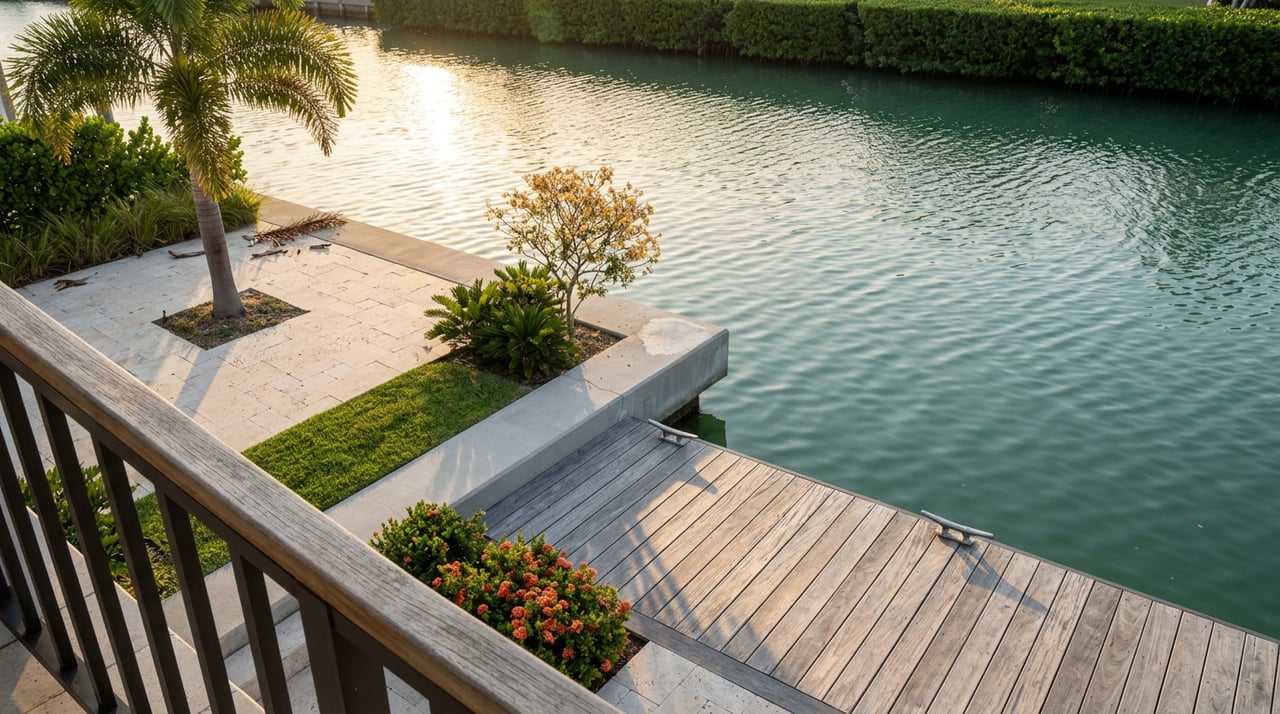
Direct water access, navigable depth, view corridors, and private docks are among the strongest pricing drivers. Homes with favorable orientation, protected canals, or wide-water vistas typically achieve higher price per square foot and shorter marketing times compared with interior lots. Linear waterfront footage, dock capacity, and ease of ocean access are practical value levers to evaluate closely.
Bespoke architecture, high-end finishes, modern systems, and recent renovations reduce buyer friction. In today’s environment, many buyers will pay a premium to avoid large capital projects. For older homes, updated roofs, impact glass, mechanicals, and seawalls can materially improve positioning.
Proximity to beaches, marinas, private clubs, dining, and medical services supports sustained interest from high-net-worth buyers. Inside the gates, micro-location nuances such as cul-de-sac privacy, exposure to traffic, and sightlines can shift value even among similar lot sizes.
South Florida’s traditional peak season runs from late fall through early spring. Listing into that window can increase qualified showings and competition from seasonal and second-home buyers. Off-season listings can still succeed, but pricing and marketing should reflect a smaller active buyer pool.
Wind, flood, and homeowners insurance premiums in coastal Florida have trended higher in recent years. Rising carrying costs can temper demand or impact net returns for investors. Sellers who document mitigation steps and premium histories can reduce buyer uncertainty.
FEMA flood maps, site elevation, and drainage influence both insurability and lender requirements. Properties that demonstrate resilient elevation, improved drainage, or flood-mitigation features often see stronger buyer confidence.
Water depth, dock size, and permitting constraints can affect utility for larger vessels. Verifying existing permits and potential upgrades helps buyers price the value of water access accurately.
Roofs, seawalls, bulkheads, pilings, and mechanical systems are high-ticket coastal items. If significant work is due, buyers will discount accordingly. Pre-inspections and clear documentation can protect a seller’s net proceeds.
Membership transferability, initiation fees, rental limitations, and architectural controls can influence value and marketability. Clear guidance upfront helps align expectations on both sides of a deal.
With few annual sales, quarter-to-quarter or monthly medians can be misleading. Focus on rolling 12- or 24-month medians and compare them year over year. When possible, pair the median with a trimmed mean that excludes extreme outliers.
Sales counts, pending sales, and months of supply tell you if buyers are absorbing inventory. In luxury, a higher months-of-supply threshold can still be balanced compared with the general market. Rising pendings and stable or falling supply often signal stronger conditions for sellers.
Trend the average days on market and the list-to-sale price ratio. A shorter timeline and narrower gap suggest firming demand. A widening gap and longer marketing period often point to more buyer leverage.
Price per square foot is helpful, but it does not fully capture waterfront utility. If data is available, also consider price per linear waterfront foot and distribution ranges by year. This helps normalize differences between interior and water-oriented properties.
Benchmark Lost Tree against North Palm Beach and Palm Beach County. This frames the micro-market premium and shows whether local movement is tracking or diverging from broader trends. Keep a clear caveat: with a small sample size, composition shifts can produce pronounced swings even when underlying demand is stable.
Lost Tree Village operates on luxury-market rules with an additional layer of micro-market nuance. Read smoothed trends, respect the power of composition, and keep your focus on scarce attributes like waterfront, lot size, and privacy. For sellers, preparation and seasonal timing can add meaningful leverage. For buyers, diligence on insurance, elevation, and marine infrastructure helps you separate enduring value from avoidable risk.
If you would like a confidential, data-informed valuation or a renovation-versus-rebuild assessment, our team pairs local market mastery with practical construction insight to help you decide with confidence. Connect with Reback Realty to start a private conversation.
Stay up to date on the latest real estate trends.

We pride ourselves on informing and educating our clients in order to make better real estate decisions. Contact us today to find out how we can be of assistance to you!
Reback Realty
11420 US HIGHWAY 1 PMB 122 NORTH PALM BEACH FL 33408