
Lost Tree Village Valuation: Get A Confidential Pricing Plan
What is your Lost Tree Village home really worth right now, and how do you explore that answer without putting your privacy at risk? If you are considering a sale, you want a clear number, a smart strategy, and a plan that keeps details confidential until you are ready. In this guide, you will learn how a private, data-driven pricing plan comes together and which local factors move the needle on value in Palm Beach County’s luxury waterfront market. Let’s dive in.
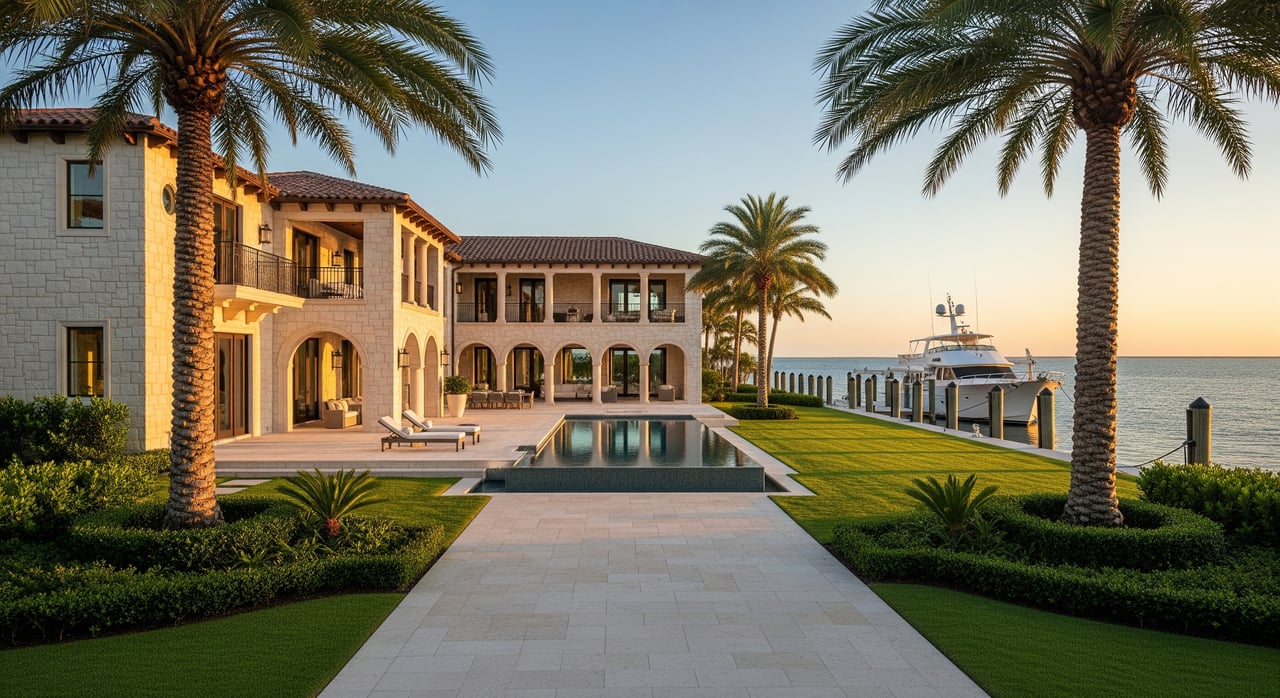
Pricing a home in Lost Tree Village starts with what makes the community unique. It is a private, gated environment with low-density, high-end homes. Many parcels are on navigable water, some with docks and bulkheads. Proximity to marinas, beaches, airports, and services also matters. Together, these elements shape the buyer pool and your final price.
Water access is one of the strongest value drivers. Depth at the dock, permitted boat size, and whether there is direct ocean or Intracoastal access can shift value by large amounts. The presence and condition of a seawall or bulkhead also matter. Buyers weigh bridge clearances and overall usability of the waterfront.
Usable waterfront frontage, lot elevation, and exposure to storm surge all influence price. Wider frontage and open water views are often valued more than narrower canal views. Orientation can affect privacy and natural light, which shape daily living and resale appeal.
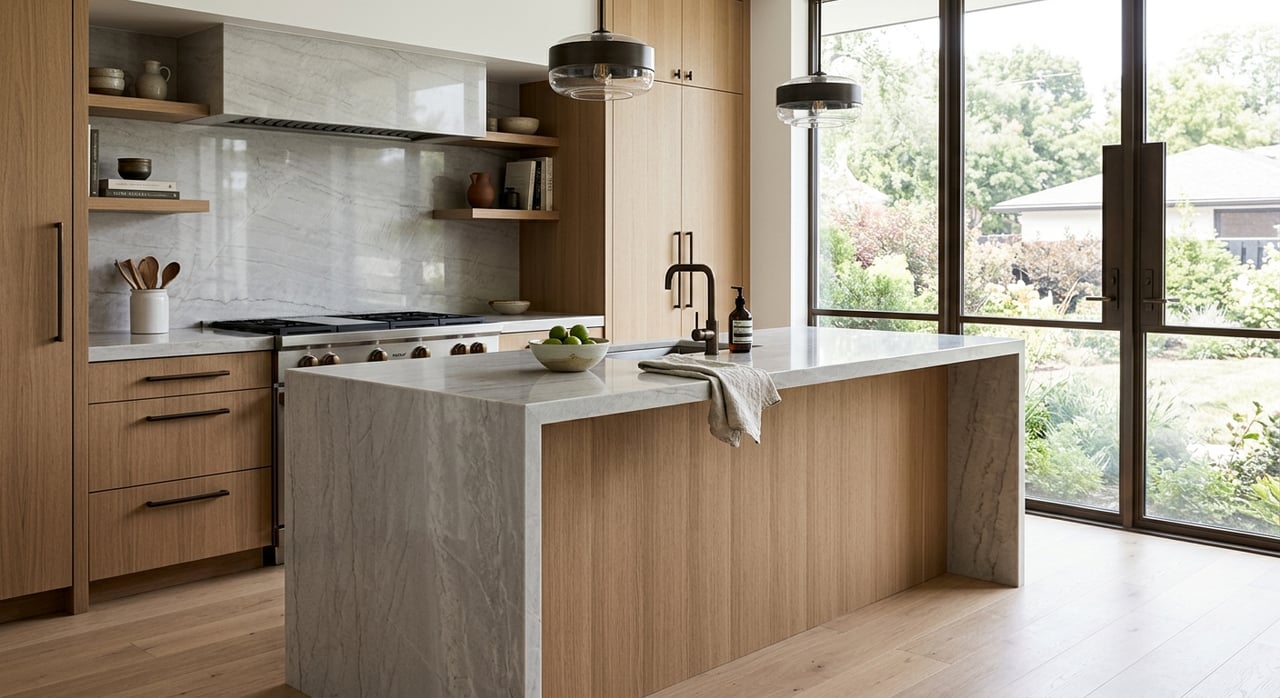
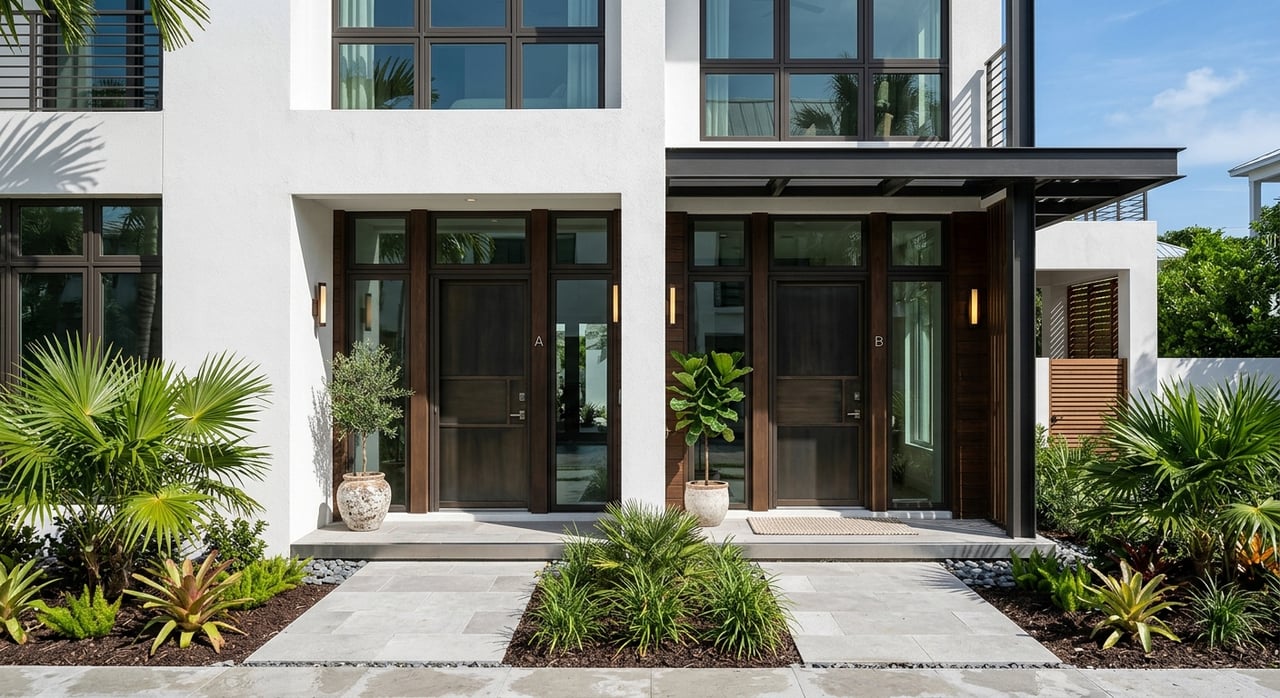
Architecture, structural integrity, and recent renovations carry significant weight. Roof age, HVAC, generators, impact windows, and updated kitchens and baths are common high-value items. For custom homes, documented permits and professional workmanship help support a stronger price.
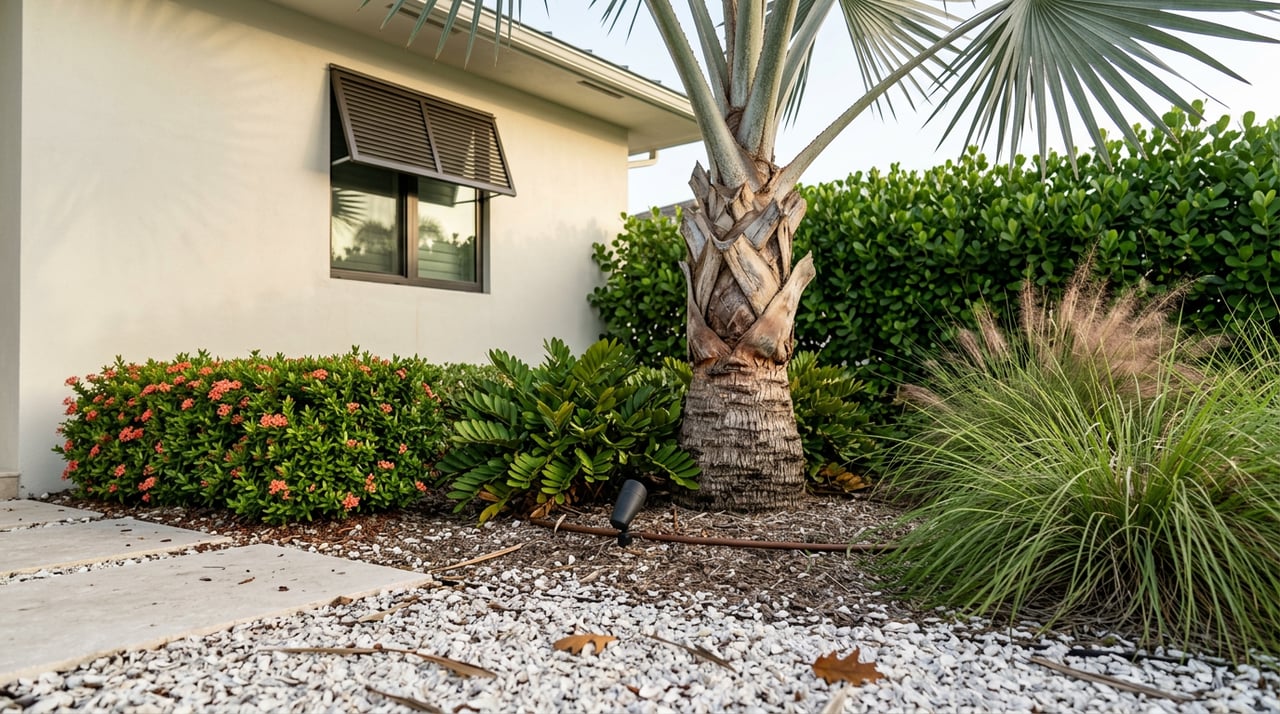
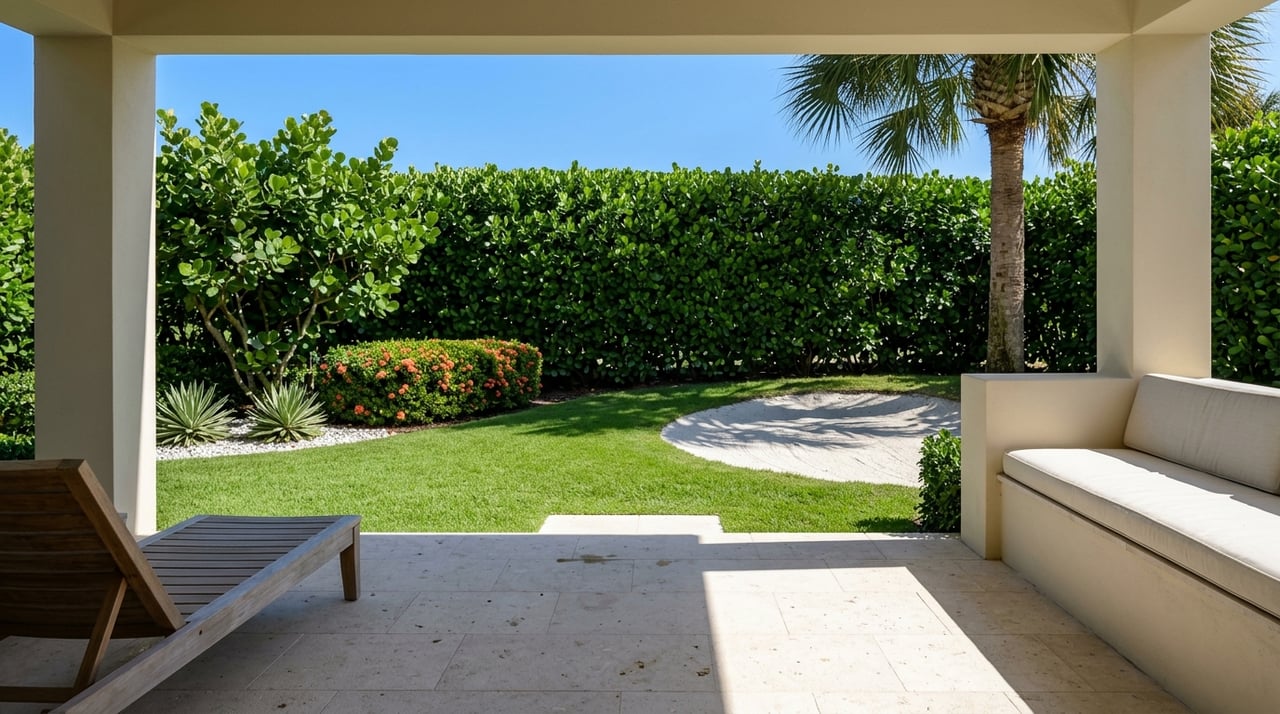
Pools, patios, outdoor kitchens, and mature landscaping enhance usability and lifestyle. In a gated community, privacy and security are key selling points. A well-maintained exterior and thoughtful outdoor living spaces can increase perceived value and reduce time on market.
Luxury properties require more than quick online estimates. A professional pricing plan blends comparable sales, current competition, and on-site condition with local experience.
A CMA is the backbone of a pricing recommendation. It compares your home to recent closed sales, active listings, and pending contracts. For Lost Tree Village, the most reliable comps are recent waterfront estates with similar frontage, dock capacity, square footage, bedroom count, and renovation level. When comps are scarce, the time window may expand and adjustments become more detailed.
A licensed appraiser may add clarity for complex or unique properties. Appraisers apply methods that weight water frontage, dock size, and functional updates. If you expect financing or want an additional third-party view for a high-value estate, a pre-listing appraisal can be helpful.
Automated Valuation Models rarely capture dock depth, seawall condition, bridge limits, or custom renovations. Use them only as a rough reference. Waterfront estates demand a tailored, on-the-ground review.
Pricing is more than square footage and finishes. Local conditions in Palm Beach County affect both demand and net proceeds.
The luxury market often sees a winter-season influx, but qualified buyers shop year-round. If you want to maximize exposure, consider timing around peak travel and showing periods. In low-inventory windows, patient strategies can yield stronger outcomes.
Flood zones, windstorm coverage, and re-insurance trends affect buyer affordability. The age of your roof, presence of impact glass, and other wind-mitigation features can influence premiums. Buyers increasingly request insurance information early, so having details ready can build confidence.
Palm Beach County assessments and millage rates influence carrying costs. If your home is a second residence, exemptions may not apply. Clarify assessed value versus market value and note any special assessments or planned local improvements that could affect perception of value.
HOA or POA fees, reserve policies, and rental rules shape buyer interest. Architectural Review Board requirements may affect remodel timelines. Documented dock permits, coastal construction control lines, and environmental setbacks are critical for buyers who plan alterations.
A private, professional plan protects your privacy while building a strong market case.
You can tailor your approach to the market and your goals.
High-end buyers often bring marine contractors and inspectors. Getting ahead of due diligence minimizes surprises.
Your property deserves a valuation team that combines neighborhood mastery with practical construction insight. Reback Realty is a family-operated, boutique brokerage with deep roots in Palm Beach County’s premium coastal and golf neighborhoods. The team blends discreet, high-touch client service with professional marketing that can scale from private outreach to full MLS exposure.
With in-house construction and development advisory experience, you get clear guidance on condition, renovation economics, and dock or seawall considerations that matter to serious buyers. That perspective helps avoid overpricing or underselling and supports a confident path from pricing plan to closing.
When you are ready, we can prepare a confidential pricing plan tailored to your goals, timeline, and privacy preferences. We will deliver a data-backed recommended price range, a clear net sheet with scenarios, and a marketing strategy that aligns with how you want to sell.
Ready to explore your number in private? Start a conversation with the team at Reback Realty.
Stay up to date on the latest real estate trends.
We pride ourselves on informing and educating our clients in order to make better real estate decisions. Contact us today to find out how we can be of assistance to you!
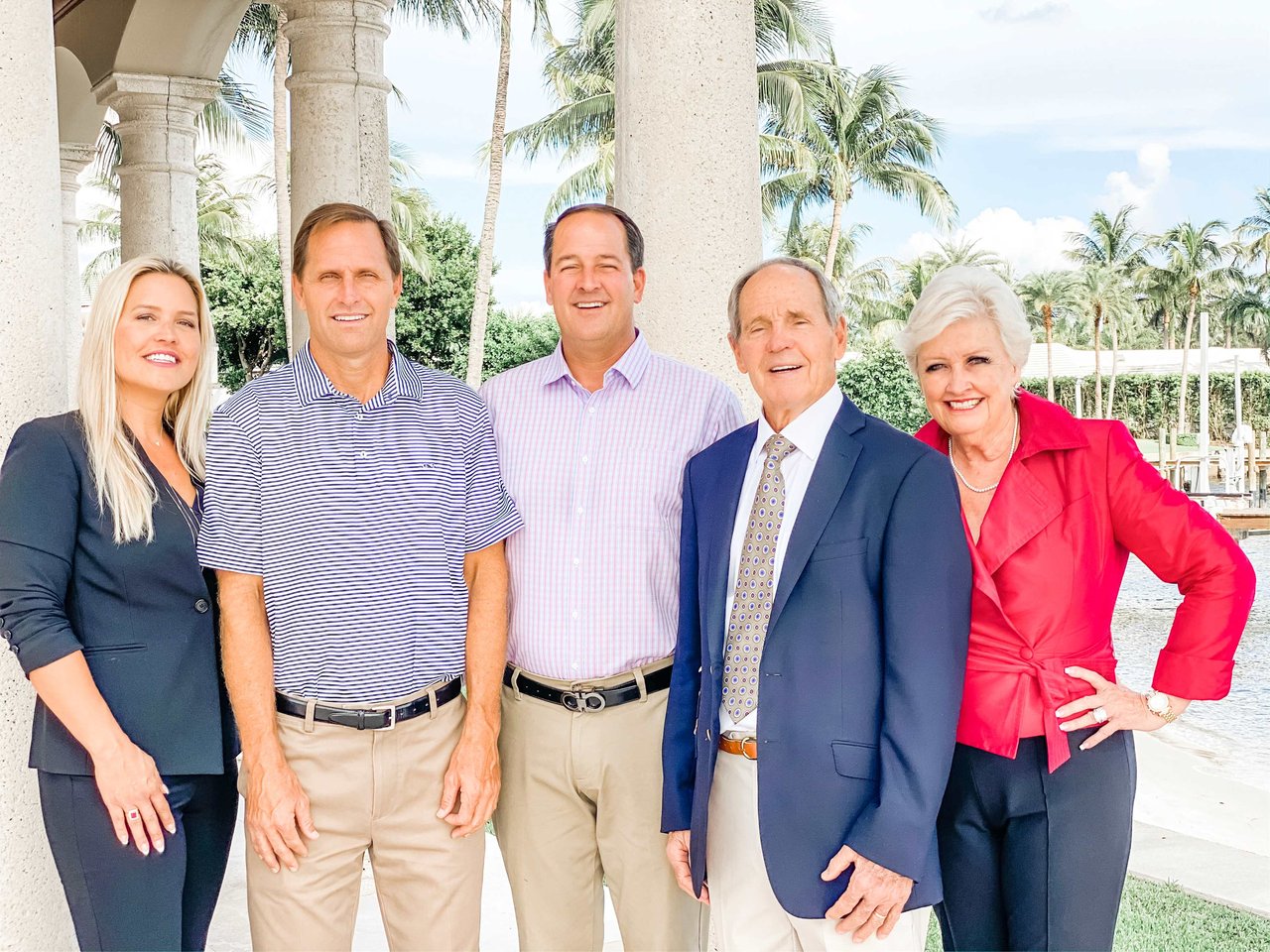
Reback Realty
11420 US HIGHWAY 1 PMB 122 NORTH PALM BEACH FL 33408