
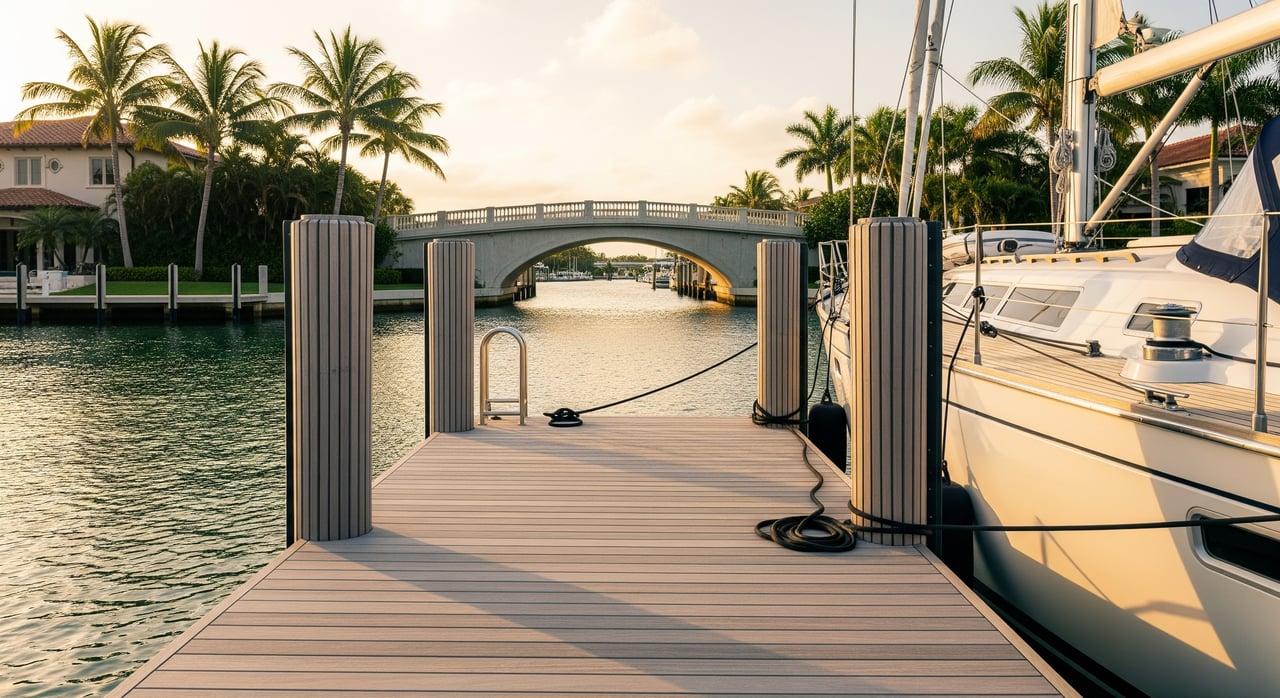
Bridge Clearances And Dock Basics In North Palm Beach
Owning a boat or shopping for a waterfront home in North Palm Beach brings one big question to the surface: will your vessel actually fit your lifestyle and local waterways? Between bridge clearances on the Intracoastal and the realities of docks, lifts, and seawalls, small details can shape daily convenience and long-term value. In this guide, you’ll learn how to verify bridge heights, plan safe passages, understand dock permitting, and review seawalls and insurance like a pro. Let’s dive in.
North Palm Beach sits on the Lake Worth Lagoon and the Intracoastal Waterway, with many homes fronting canals or basins connected to the ICW. You can run north toward Jupiter, south toward West Palm Beach, or plan routes that connect to the Atlantic via the Lake Worth Inlet. Tides here are modest compared with other regions, but even a small tidal swing can affect whether a tall boat clears a bridge. Storm surge and long-term sea-level trends also matter, so it pays to watch tide predictions before you go.
You’ll encounter two bridge types locally: fixed bridges with a set vertical clearance, and movable bascule bridges that open on request. Your planning depends on which you face. Fixed bridges require your vessel to pass under at the available height, while movable bridges require you to follow posted procedures for radio or phone contact and timing.
Private dock work in North Palm Beach can involve multiple authorities. The Town’s building and engineering departments handle local permits. Palm Beach County Environmental Resources Management oversees shoreline and coastal structure permitting at the county level. Projects that affect tidally influenced waters can require state review by the Florida Department of Environmental Protection, and work in navigable waters can trigger U.S. Army Corps of Engineers permits. Requirements vary by scope, location, and whether you are replacing in kind or expanding.
Waterfront owners often hold riparian rights that allow reasonable access to navigable waters. Those rights are still subject to municipal, county, state, and federal rules, plus any recorded easements, HOA covenants, or shared community dock agreements. Confirm what is recorded before you assume you can build or expand a private dock.
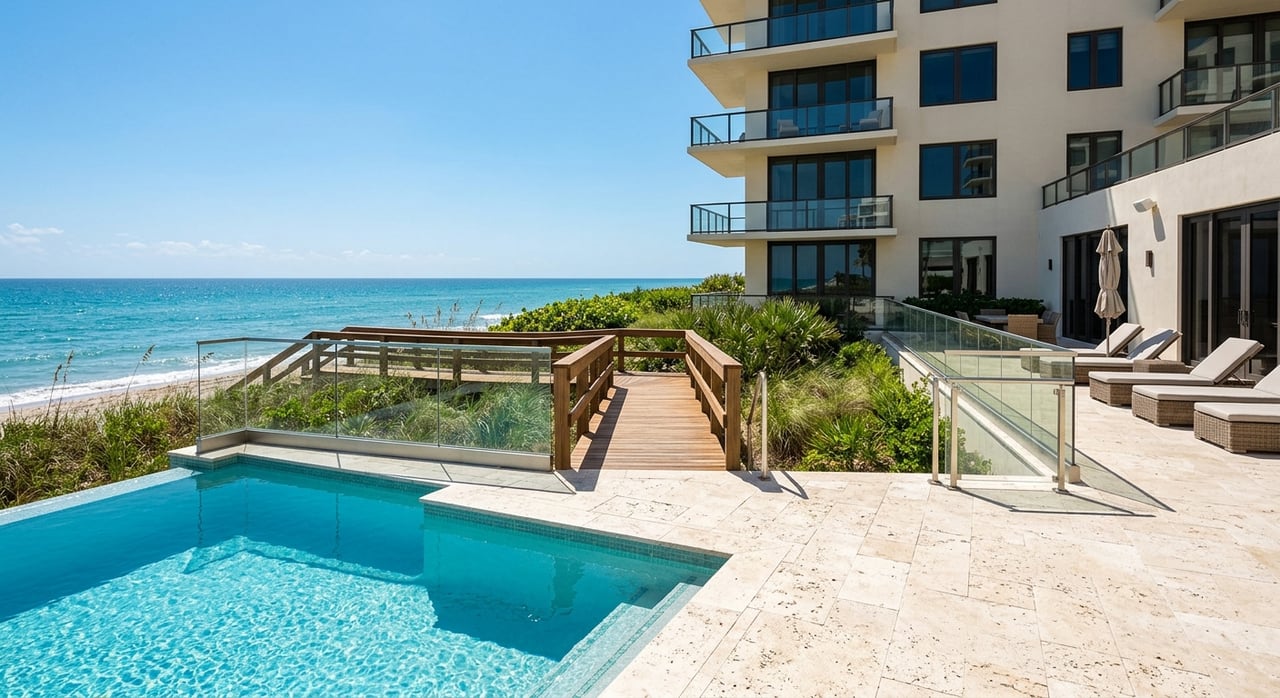
Most local docks use a fixed pier layout with finger piers, piles, cleats, and utilities. Treated timber piles are common, while concrete or steel piles may be used for longevity or heavier loads. Boat lifts are popular to reduce fouling and provide storm protection, and they require structural and electrical compliance. Material choices affect maintenance cycles, cost, and what treatments are permitted in the water.
A seawall’s condition directly influences safety, value, and insurability. Look for signs of movement, cracking, voids, or sinkholes. Review any available design standards, permits, or inspection records, including details such as pile depth and scour protection. A tired seawall can restrict financing or increase insurance hurdles, so plan ahead if a replacement may be needed.
Expect periodic replacement of decking and hardware, treatment or replacement of piles, and regular service for boat lifts. Electrical systems should be installed and maintained by licensed professionals using code-compliant wiring and GFCI protection. A marine survey or certified dock inspection helps quantify remaining life and prioritize repairs before listing or purchase.
Tell your insurer about docks and lifts so coverage can be structured correctly. Flood and wind or hurricane coverage are separate considerations, and flood insurance is typically necessary in coastal flood zones. You may also want to review liability coverage and any safety requirements such as ladders or rescue equipment.
Before a storm, secure loose items and lock down lifts according to manufacturer guidelines. Follow local evacuation guidance for vessels. If a property has weathered multiple storms, consider an engineering review to understand how the dock, piles, and seawall match current design expectations.
For luxury waterfront decisions, you deserve both neighborhood fluency and technical guidance. With deep roots in North Palm Beach and surrounding micro-markets, you get local knowledge on typical bridge routes, no-wake zones, and the practical realities of keeping a boat at your home. You also benefit from construction-savvy counsel that helps you weigh dock and seawall condition, permit histories, and renovation or replacement economics.
Whether you are acquiring a home with a private dock or preparing a high-value sale, you can expect discreet, hands-on support. That includes buyer and listing representation, valuation advice, off-market strategies when appropriate, relocation assistance, and development or contracting advisory to help you plan smart improvements. The result is a smoother path to the water, with fewer surprises and a clearer understanding of long-term ownership.
Ready to talk through your dock, bridge routes, or seawall concerns and align them with your real estate goals? Request a Confidential Home Valuation with Reback Realty.
Stay up to date on the latest real estate trends.
We pride ourselves on informing and educating our clients in order to make better real estate decisions. Contact us today to find out how we can be of assistance to you!
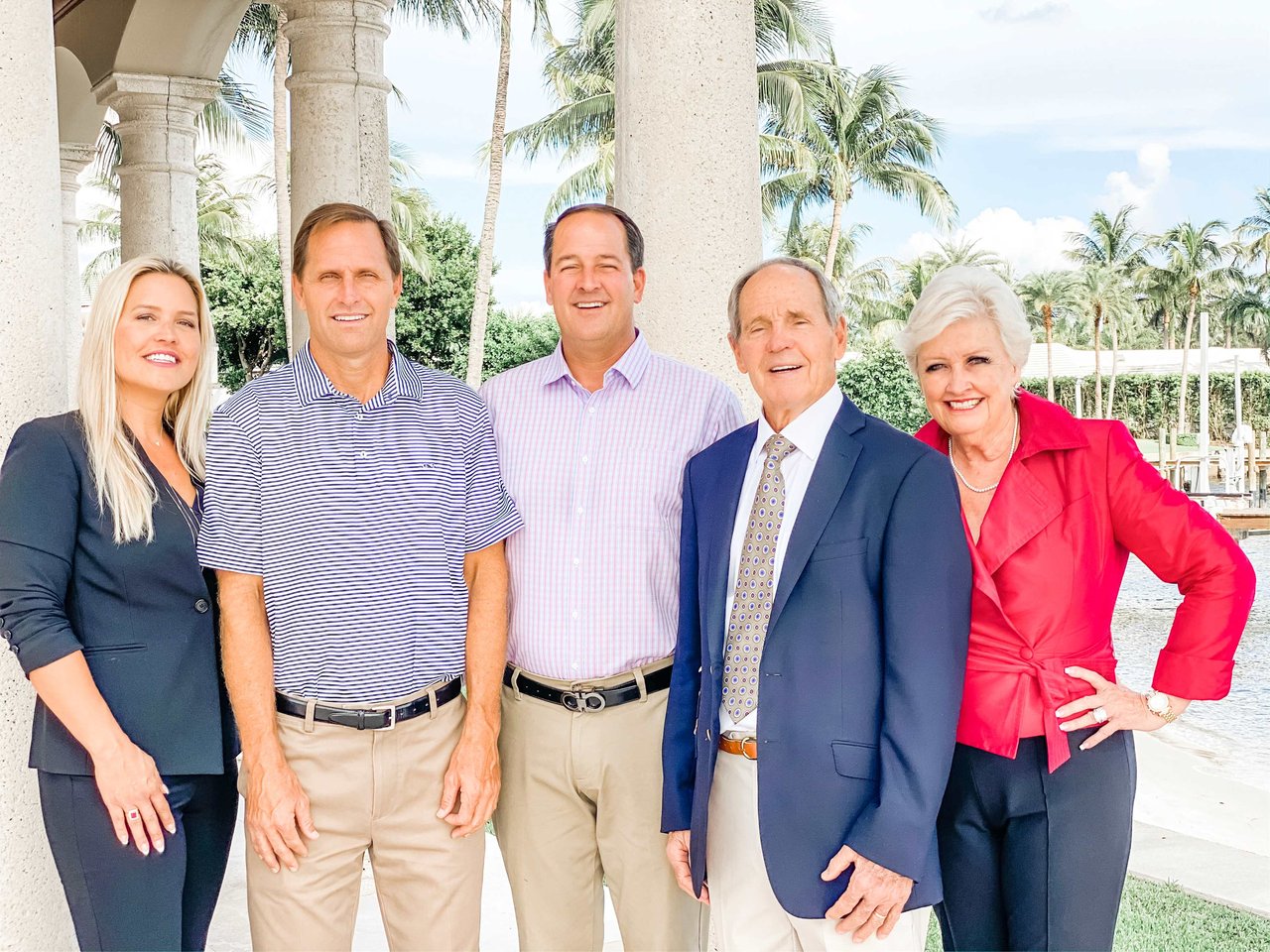
Reback Realty
11420 US HIGHWAY 1 PMB 122 NORTH PALM BEACH FL 33408