
Jupiter Waterfront Neighborhoods Guide for Buyers
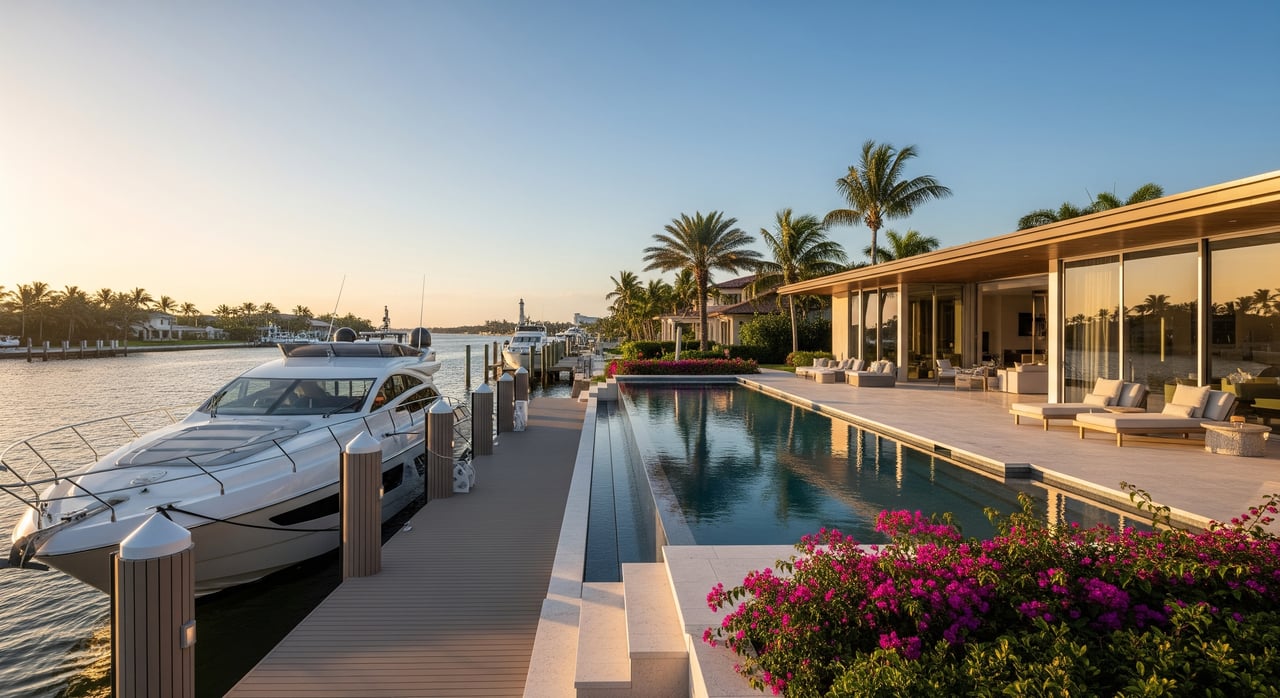
Buying on the water in Jupiter feels like choosing your everyday view and your boating rhythm at the same time. You want sunlit mornings and a dock that fits your vessel, but you also want to understand tides, permits, and insurance before you commit. This guide gives you a clear picture of Jupiter’s waterfront corridors, what affects value and lifestyle, and the due diligence that keeps your investment sound. Let’s dive in.
Use this snapshot as you tour and compare.
Jupiter offers distinct waterfront settings that shape how you live, boat, and maintain your property. Here is how to think about the main corridors.
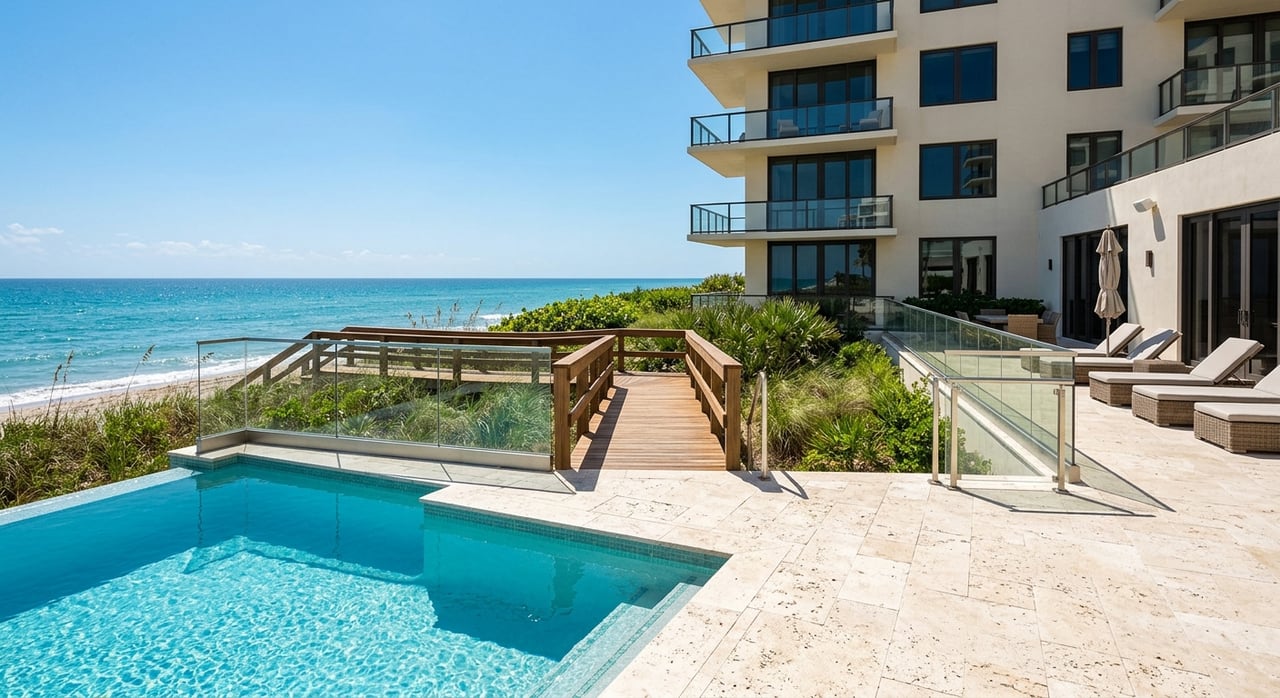
Near-inlet and oceanfront properties offer the quickest route to the Atlantic and the strongest marine exposure. You get commanding views, but you also encounter powerful coastal forces. Expect stricter coastal building standards and attention to dunes and shoreline protection. Jupiter Inlet Colony, an adjacent small municipality at the inlet, illustrates a setting where inlet-front and oceanfront living meet, with unique exposure to currents and sand movement.
The Intracoastal runs parallel to the ocean and often provides calmer, protected waters. If you want regular cruising and a straight shot to marinas or the inlet without ocean swell at your doorstep, this corridor is appealing. Dockage varies by property, so confirm depth and navigational clearance from your dock to the main channel.
Up the river, you will find fresh or brackish conditions that transition with tides near the inlet. The Loxahatchee corridor favors kayaking, fishing, and scenic privacy. Tidal influence and depth still matter for boats, especially near bridges or shallower sections. Expect a different ecological feel than the open ICW.
Many subdivisions offer canal-front homes. Canal width, depth at low tide, and turning basins determine the size of boat you can keep. Some canals are ideal for mid-sized center consoles; others suit smaller craft. Ask for dredging history and verify whether dredging is allowed if you plan upgrades.
Some communities pair single-family homes or condos with access to deep-water slips. Rules for slip assignments, waitlists, and vessel length vary. Review marina or association bylaws early if a slip is part of your lifestyle plan.
Your dock is a working piece of infrastructure. Treat it like a platform for safety, maintenance, and daily convenience.
Deep-water access typically allows larger vessels and simpler navigation to the inlet with fewer depth constraints. Canal systems can limit draft, height, and turning radius. Before you fall in love with a view, verify low-tide depth at your dock and along your route to the Intracoastal or inlet.
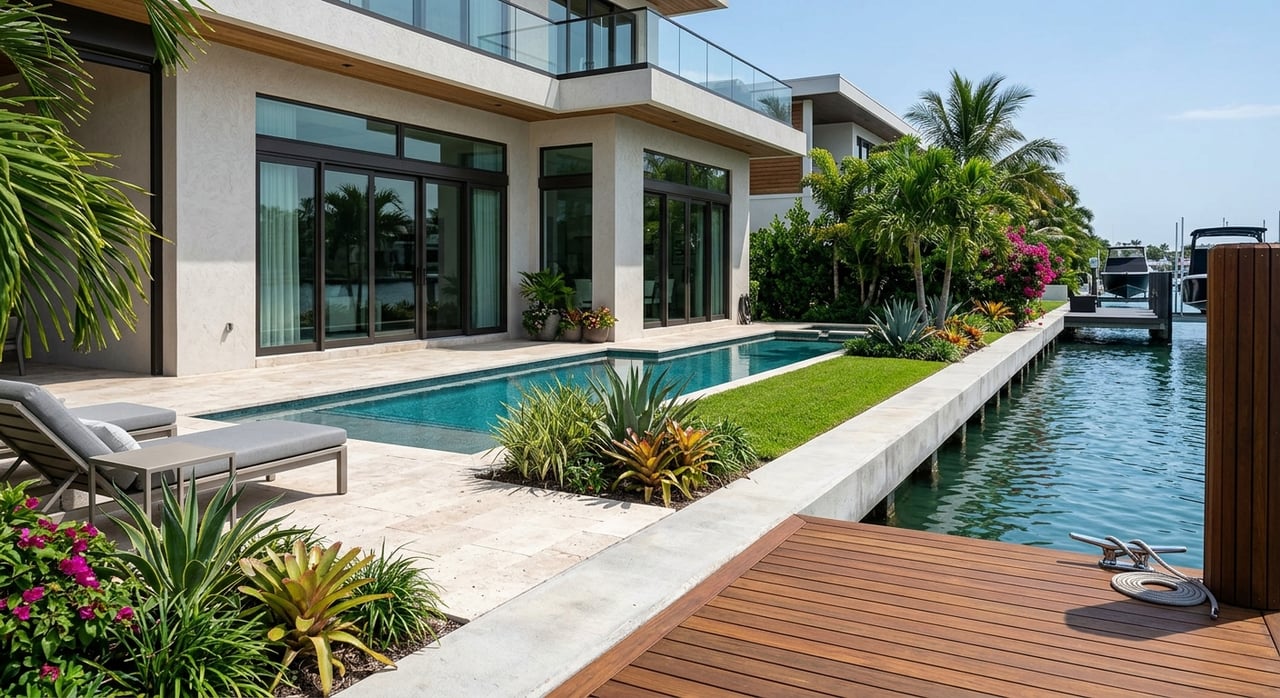
Inspect the seawall’s age and condition, along with pilings, decking, electrical, water, and lift capacity. A professional seawall inspection can reveal settlement, corrosion, or tie-back issues that impact safety and cost. Ask for maintenance records and any recent engineering reports. If a lift is present, confirm weight limits and the largest permitted vessel.
Expect a layered permitting environment on the coast. The Town of Jupiter handles local building permits for seawalls and docks. You can review local processes through the Town’s Building and Permitting Division. For reference, see the Town’s Building page at the Town of Jupiter Building & Permitting Division.
At the state level, shoreline and submerged land impacts may require approval from the Florida Department of Environmental Protection. Federal work in navigable waters often involves the U.S. Army Corps of Engineers, Jacksonville District. County environmental offices may also have roles depending on scope. Always request copies of issued permits and final inspections for existing marine structures.
A clear picture of flood and wind risk protects your long-term ownership experience and carrying costs.
Use FEMA’s Flood Insurance Rate Maps to identify zones such as AE or VE near the coast, then verify the structure’s height with an Elevation Certificate. The combination of flood zone and elevation helps insurers set premiums and can influence renovation plans. Access official mapping tools at the FEMA Flood Map Service Center.
You will likely need a homeowners policy that addresses wind and hurricane risk under Florida Building Code standards. Flood insurance is a separate policy and is required by most lenders in Special Flood Hazard Areas. Florida’s insurer of last resort, Citizens Property Insurance, is part of the landscape, and private carriers may have varying appetites. Get multiple quotes early in your due diligence so premiums do not surprise you.
Jupiter and Palm Beach County face documented sea-level rise and coastal erosion over multi-decade horizons. If you are planning for legacy ownership, incorporate long-term municipal adaptation planning and site-specific elevation into your decision. For context on coastal risk tools, explore the NOAA Sea Level Rise Viewer.
Waterfront ownership comes with rights and responsibilities at the shoreline.
Many waterfront communities regulate dock designs, boat lengths, lifts, exterior finishes, and leasing. Some have community marinas or slip waitlists with separate fees and bylaws. Read CC&Rs and marina documents before you make an offer so you understand what is allowed and how slips are assigned.
Confirm where property lines meet the mean high water line, whether there are shared access easements, and if any docks or bulkheads encroach on rights-of-way. Title for waterfront tracts can involve submerged lands, so an attorney experienced in Florida coastal property is a smart addition to your team.
Unpermitted seawalls or docks can lead to costly remediation. Request the complete permitting history, final inspections, and any recent repairs with invoices and photos. If work is in progress, address permits and certifications within your contract.
Marine environments are tough on structures. Aim for a targeted inspection set.
In addition to a full home inspection, budget for a seawall or bulkhead engineering report, dock and piling inspection, and a lift operation check. Because salt air punishes building systems, consider targeted reviews of roofing, structural elements, electrical, HVAC, and screening for mold or wood-destroying organisms.
Order a current survey that shows the shoreline, mean high water line, and all improvements. Ask whether a FEMA-compliant Elevation Certificate is available or needs to be produced. If boating is central to your plan, confirm depth at low tide and any bridge or clearance limitations, and ask for any records of dredging or channel maintenance.
Build a time-limited inspection window into your contract that lets you complete marine inspections, insurance underwriting, and permit verification without rushing. In competitive segments, cash can help, but do not skip specialized inspections that protect you from expensive surprises.
Use facts about marine infrastructure to calibrate your offer.
If inspections reveal seawall movement, deteriorated pilings, or underpowered lifts, consider price reductions, repair credits, or escrow holdbacks. You can also require the seller to secure permits or certifications prior to closing for recent work.
Lenders may add underwriting requirements in high-risk flood zones or for waterfront construction. Appraisers will weigh waterfront type, directness of access, lot size, and dock utility. Even if you are buying with cash, keep documentation organized for future resale.
If you want a confidential, construction-savvy perspective on seawalls, dock capacity, and renovation potential before you write an offer, connect with Unknown Company to review your shortlist and craft a clean, protected path to the closing table.
Stay up to date on the latest real estate trends.

We pride ourselves on informing and educating our clients in order to make better real estate decisions. Contact us today to find out how we can be of assistance to you!
Reback Realty
11420 US HIGHWAY 1 PMB 122 NORTH PALM BEACH FL 33408