
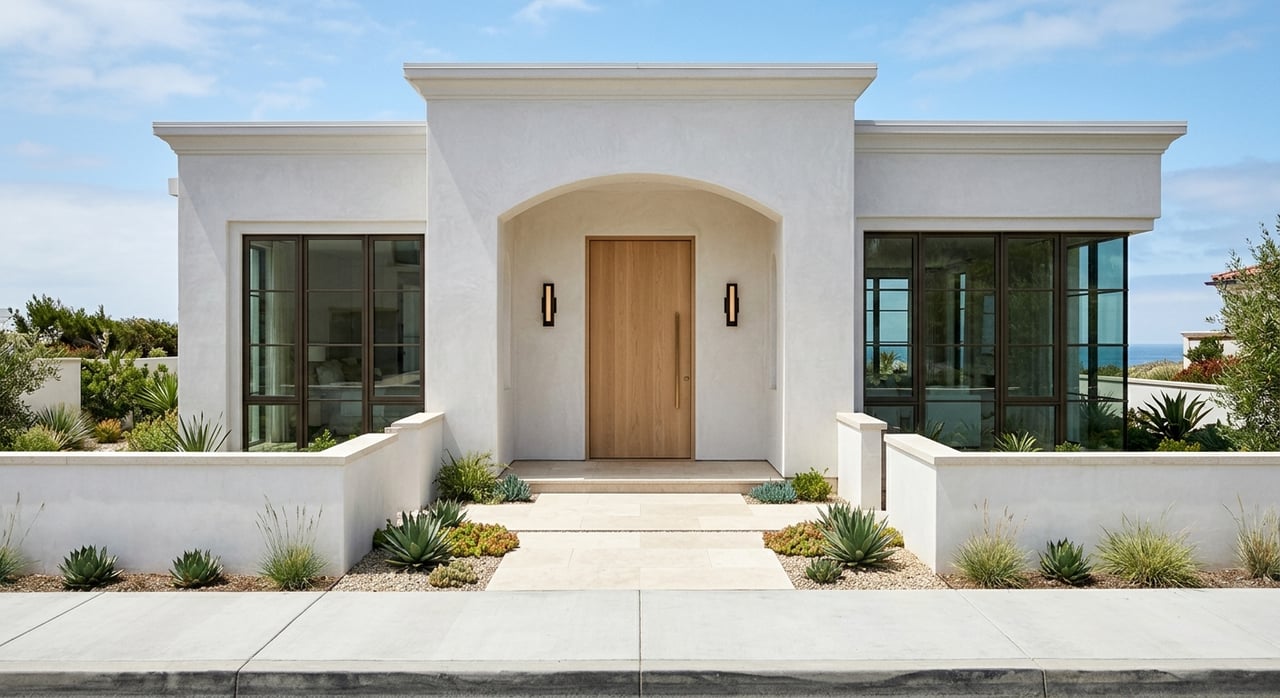
Palm Beach In-Town vs North End: Which Area Fits?
Trying to choose between Palm Beach in-town and the North End? You are not alone. For many buyers, the real question is not which area is “better,” but which one fits the way you want to live on the island day to day. This guide breaks down the real differences in setting, housing, walkability, and daily rhythm so you can make a more confident decision. Let’s dive in.
Palm Beach is a barrier island with limited space, a tightly managed built environment, and a strong focus on preservation. The town highlights strict zoning, historic preservation standards, and more than 328 protected landmark properties, sites, and vistas.
That matters when you compare in-town and the North End. On an island shaped by preservation and coastal conditions, each area uses space differently. In simple terms, in-town centers around the island’s shopping and social core, while the North End leans more residential with a quieter beach-and-trail pattern.
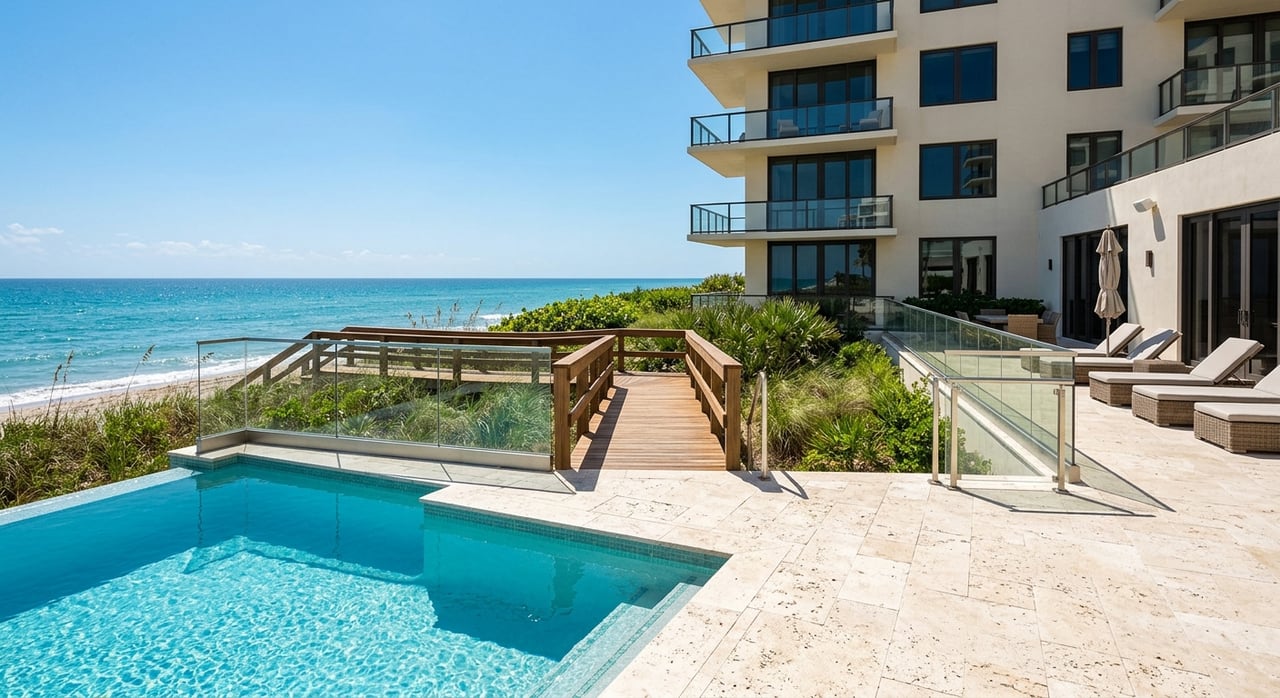
The town also notes that Palm Beach has 12 miles of beachfront, two public beaches, and a nearly six-mile Lake Trail stretching from the Royal Park Bridge to the North End. Those features help define how each area feels in everyday life.
In-town refers to the central commercial core around Worth Avenue, South County Road, Royal Poinciana Way, and Royal Poinciana Plaza. This is where Palm Beach concentrates many of its shops, dining options, offices, and services.
According to the town’s resident information, Worth Avenue serves seasonal and year-round residents as well as visitors. South County Road and Peruvian Avenue add more restaurants, shops, and services, while Royal Palm Way is more office and banking oriented. Royal Poinciana Plaza combines shops, restaurants, offices, and the historic Playhouse.
Another detail that shapes the in-town feel is scale. Palm Beach’s comprehensive planning materials describe the commercial sector as small scale, with most commercial uses at 4,000 square feet or less. So even in the island’s busiest area, the built environment still feels relatively compact.
If you want a lifestyle that puts shops, dining, and errands closer together, in-town is the clearest fit. Official resident materials show many of these options grouped along Royal Poinciana Way, Worth Avenue, Royal Poinciana Plaza, and nearby streets.
Town parking information also suggests a more active pedestrian and evening-friendly pattern in central areas than in the North End. For buyers who value the ability to walk out for dinner, browse shops, or stay connected to the island’s central activity, this distinction matters.
The North End is Palm Beach’s more residential northern stretch. Town planning materials and local mobility patterns support the view that this area operates differently from the central part of the island.
The Lake Trail runs north from the Royal Park Bridge to the North End, reinforcing a walking-and-biking routine for many residents. Town parking maps also separate North End streets from busier midtown and South Ocean corridors, which supports the idea of a quieter, more daytime-oriented pattern.
This is less about labels and more about land use. In practical terms, the North End tends to appeal to buyers who want Palm Beach beach access and island character with less commercial activity woven into the day.
The North End often suits buyers who prefer a residential setting first and foremost. Instead of centering your day around storefronts and dining clusters, the pattern here is more likely to involve neighborhood streets, the Lake Trail, and a quieter beach routine.
That difference can feel meaningful once you are living there full time or returning seasonally. If your ideal Palm Beach day starts with a walk or bike ride and ends in a lower-activity setting, the North End may feel more natural.
One of the biggest differences between in-town and the North End is how residential properties sit within the surrounding streetscape. Both areas are shaped by Palm Beach preservation standards, but the housing context is not the same.
In-town has a more layered, mixed-use fabric. The Worth Avenue design guidelines describe arcade-fronted, multi-story retail buildings, via-style passageways, and upper-floor apartments above shops.
The Royal Poinciana Way Historic District adds to that pattern. National Register documentation notes that some original cottages on Sunset Avenue were later replaced by apartments and condominiums as the area changed over time.
For a buyer, the takeaway is clear. In-town is the part of Palm Beach where residential use is most visibly interwoven with commercial uses, and where apartment or condominium surroundings are more common.
The North End reads differently. Town planning materials describe North End housing as largely single-family and lower scale.
The town’s comprehensive plan notes that North End homes averaged about 2,500 to 3,000 square feet or less. Preservation materials also show that newer homes in the area have been designed to look as though they belonged to the neighborhood’s earlier development era.
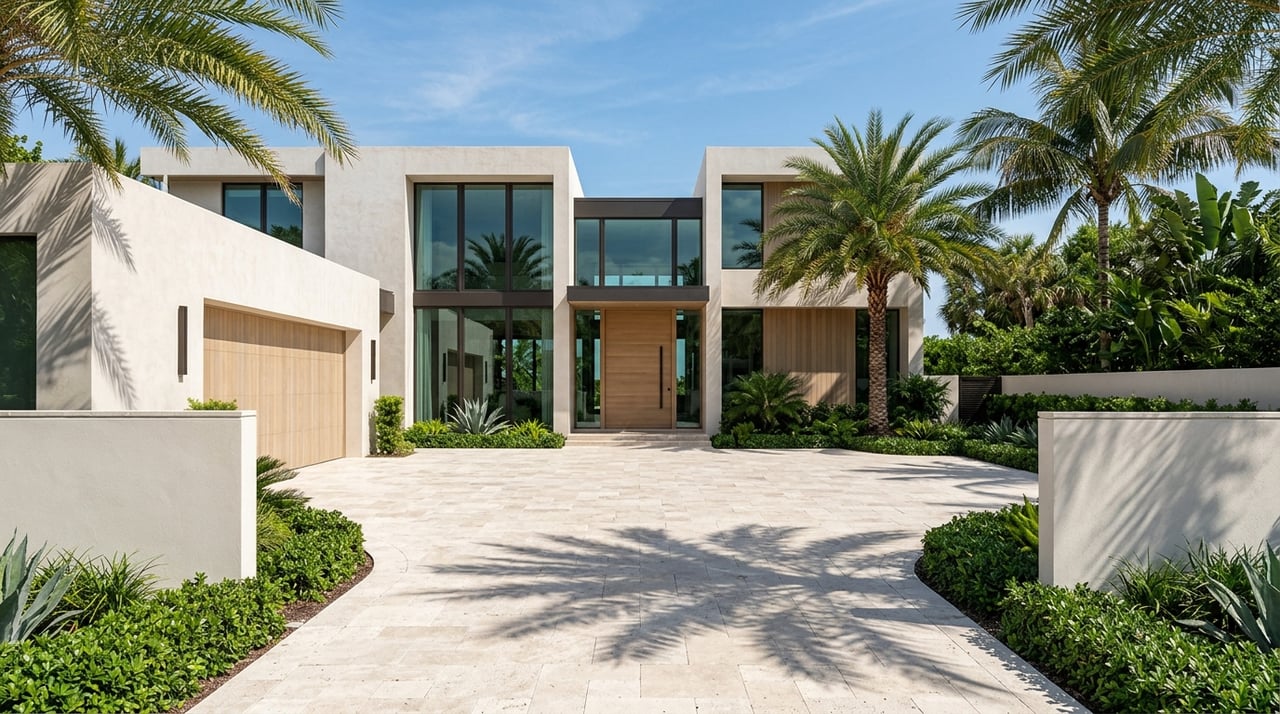
That tells you something important about the area’s design expectations. Renovation and new construction in the North End are often expected to feel context-sensitive rather than dramatically different from their surroundings.
Many buyers begin with a simple question: where will daily life feel easier? In Palm Beach, the answer depends on what kind of convenience matters most to you.
If your version of convenience means walking to shops, restaurants, or services, in-town has the advantage. The town concentrates many of these uses around Worth Avenue, Royal Poinciana Way, and Royal Poinciana Plaza.
That layout supports a more connected, central-island routine. You may not need to think about every outing as a drive or a destination, because more of your daily touchpoints are grouped together.
If your version of convenience means a simpler residential rhythm, the North End may feel more comfortable. The extension of the Lake Trail to the North End supports walking and biking as part of daily life.
Combined with a more daytime-oriented parking pattern, the area tends to read as calmer and less commercially active. For some buyers, that quieter cadence is exactly the point.
Beach access is strong across Palm Beach, but the experience can differ by area. The town states that Palm Beach has two public beaches, Mid-Town Municipal Beach and Phipps Ocean Park, with lifeguard service every day of the year.
A tourism listing places the municipal beach just north of Worth Avenue. That proximity helps connect the central shopping district with public beach access in a way that feels especially practical for in-town living.
If you want to combine beach time with dining, shopping, or other in-town stops, this setup can be appealing. It supports a more active mix of uses within a compact part of the island.
North End buyers often think more in terms of the Lake Trail, Phipps Ocean Park, and a more residential beach edge. The feel is less tied to the central commercial core and more tied to a quieter outdoor routine.
For buyers who want beach access as part of a lower-key daily pattern, that distinction can carry a lot of weight. The lifestyle difference is subtle on paper, but very real in practice.
Club access in Palm Beach depends on membership rules, but geography still matters. In-town and the North End sit near different parts of the island’s social landscape.
The Everglades Club is located at the west end of Worth Avenue, placing in-town buyers closer to Palm Beach’s historic social core. The Sailfish Club of Florida is on North Lake Way, which gives North End buyers closer geographic access to that waterfront club setting.
This is not about assuming access. It is simply a reminder that where you live on the island can shape how close you are to the places you may already use or want to be near.
If you are deciding between the two, it often helps to frame the choice around daily habits rather than broad impressions.
The in-town versus North End decision is really a lifestyle tradeoff. In-town is the better fit if you want to be close to Palm Beach’s central shopping, dining, and social core. The North End is the better fit if you want a more residential environment shaped by beach access, the Lake Trail, and a quieter daily pace.
Because Palm Beach is defined by strict zoning, preservation priorities, and limited island space, these differences tend to hold their character over time. That is one reason this choice deserves careful thought.
At Reback Realty, we believe the best luxury purchase decisions come from understanding how a property fits your real life, not just your wish list. If you want discreet guidance on Palm Beach homes, renovation considerations, or the nuances between island areas, connect with Reback Realty.
Stay up to date on the latest real estate trends.
We pride ourselves on informing and educating our clients in order to make better real estate decisions. Contact us today to find out how we can be of assistance to you!
Reback Realty
11420 US HIGHWAY 1 PMB 122 NORTH PALM BEACH FL 33408